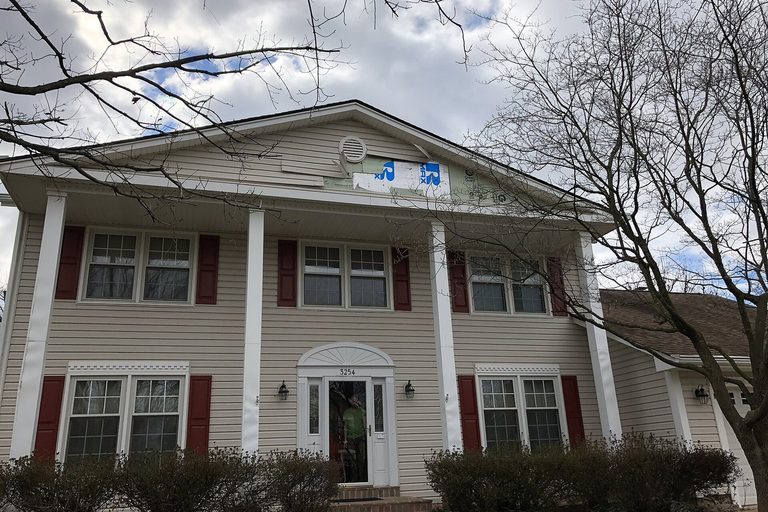
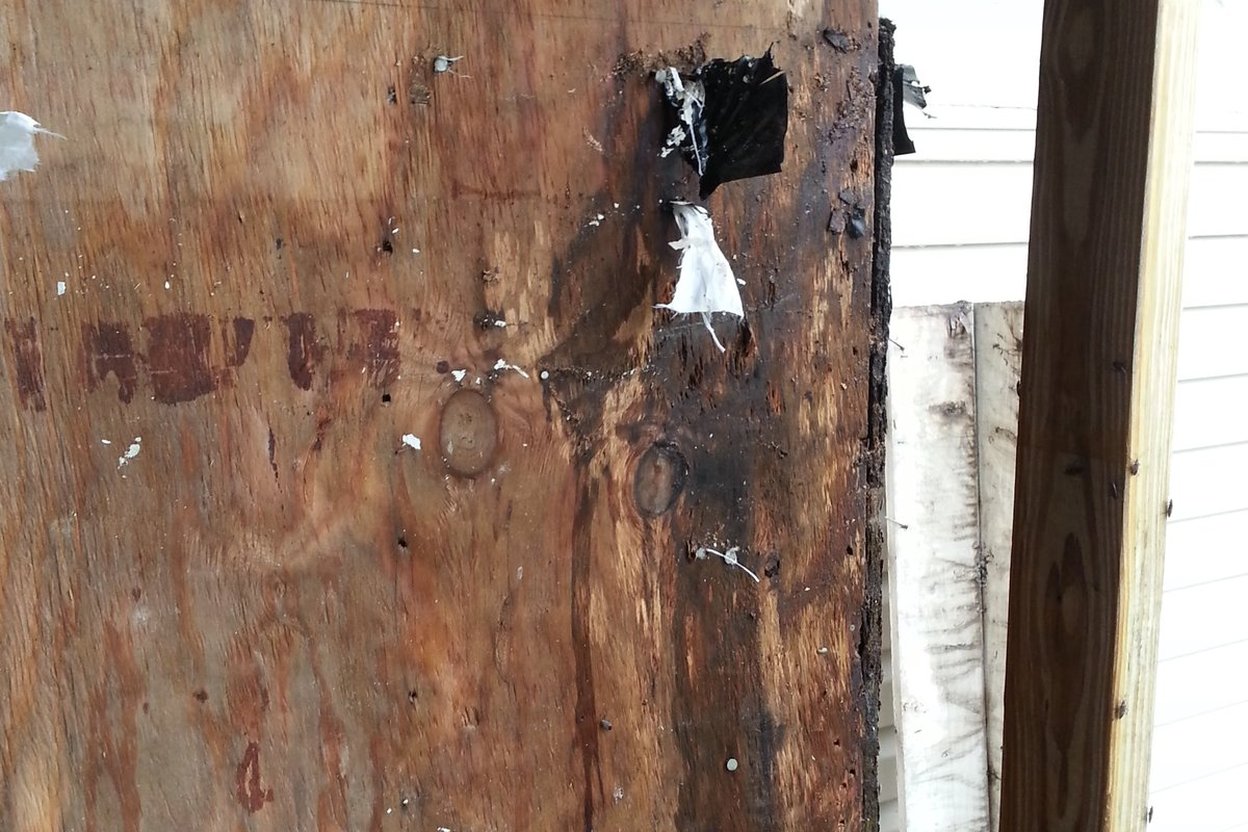
You pull the panel and the sheathing behind it is soft as cake. The customer agreed to a price for siding repair. Now what?
How that goes depends almost entirely on what you wrote on the quote before you started.
Two kinds of quotes
The quote that doesn't mention rot. "Replace 4 damaged panels: $___." You find rot. Now you have to stop, explain, and ask for more money. The customer feels ambushed, even though you did nothing wrong.
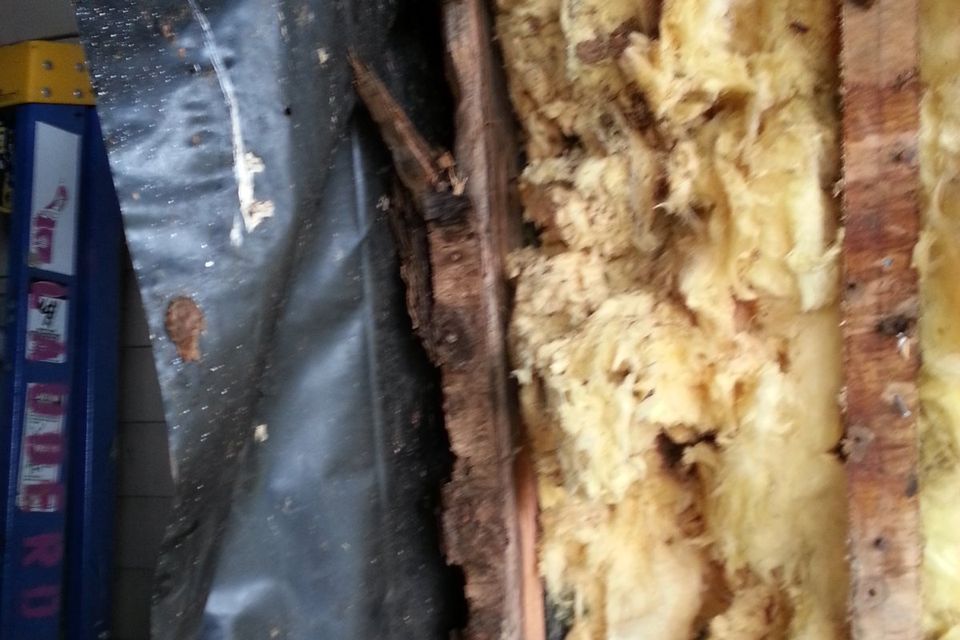
The quote that does. "Replace 4 damaged panels: $___. If rotted sheathing or framing is found behind the siding, I'll stop, show you photos, and give you a separate written price before doing any extra work." You find rot. You show them. They expected this might happen. Most say yes.
Same job. Same rot. Totally different customer.
Words that help
- "If found." You're not saying there is rot. You're saying what happens if there is.
- "I'll stop and show you." Customers trust photos more than words.
- "Separate written price." No surprises on the final bill.
When you can see it coming
Some walls warn you: staining below windows, soft panels, peeling paint inside, a gutter that's been overflowing for years. When you see those signs, say so on the first visit: "I think there's a good chance of water damage behind this. I'll know when I open it up."
You can also give a range for likely rot repair in writing, if you're comfortable with that. Some customers like knowing the worst case up front.
What not to do
- Don't cover rot with new siding. It keeps rotting, and it's your name on the repair.
- Don't do extra work and bill for it later without asking first.
- Don't guess on the phone. See qualifying siding repair phone calls.
Take photos every time
Before you pull, after you pull, after you fix. Photos protect you and help the customer understand what they paid for.
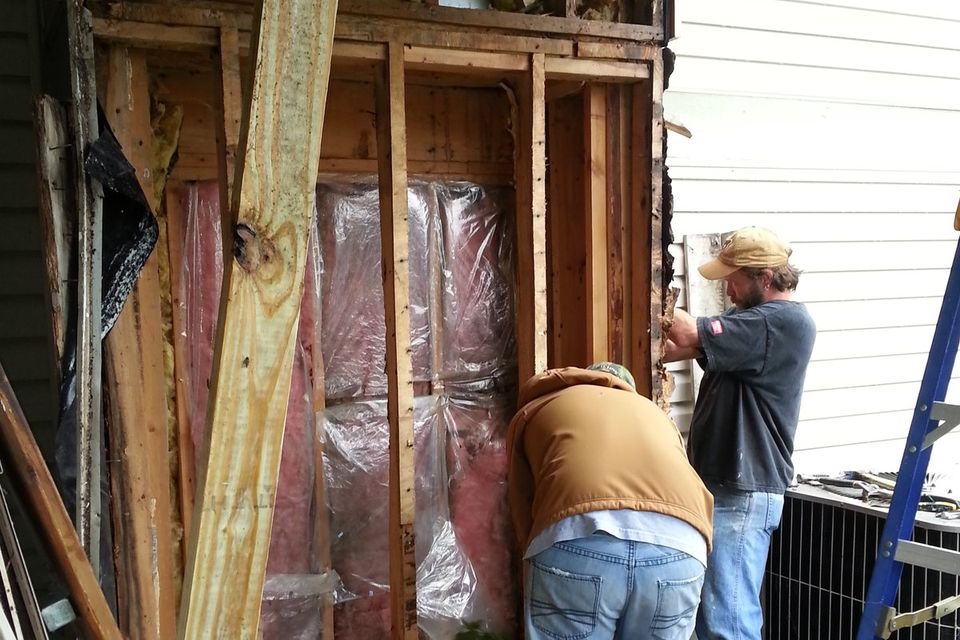
Inside Siding Pro Academy, members share the quote wording they use for rot and hidden damage.