You're standing in a driveway the morning after a storm. There are cracked panels on the windward wall and a piece of J-channel lying in the mulch. The homeowner turns to you and asks, "Should I call my insurance? What do I take pictures of?" Here's the answer. Tell them to photograph every damaged spot three ways (wide, mid-range, close-up) before anything gets cleaned up or fixed. Add all four sides of the house, the house number, and something for scale. A narrated video is a good backup. Then they make the call, and you step back.
The short answer: the shot list
Photos come first. The NAIC, the national association of state insurance regulators, lists "take photos and videos of damage" as a step before contacting the insurer. The Minnesota Department of Commerce says to document the damage before cleanup starts and calls it "very important to document all of the damage."
Here's the list to give them:
- Wide shot of each damaged area, so it's clear which wall it's on.
- Mid-range shot showing the damage in its section of siding.
- Close-ups of every crack, hole, stain and missing piece.
- More than one angle per damaged area. One photo leaves the insurer room to argue about how much is damaged.
- All four sides of the house, even the sides that look fine. It shows the whole picture and where the storm hit.
- The house number in at least one shot, so there's no question whose house it is.
- A tape measure or ruler in the close-ups. A crack with no scale in the frame could be two inches or two feet.
For the video, they should say their name, the date and the address at the start, then walk the house and talk about what they're filming. One guide suggests keeping each room under five minutes. Outside, the same idea works one wall at a time. The video doesn't replace the photos. It backs them up and fills gaps.
Siding-specific shots
The general list gets the basics. Since you know siding, you can tell them what an adjuster will want to see on the walls themselves.
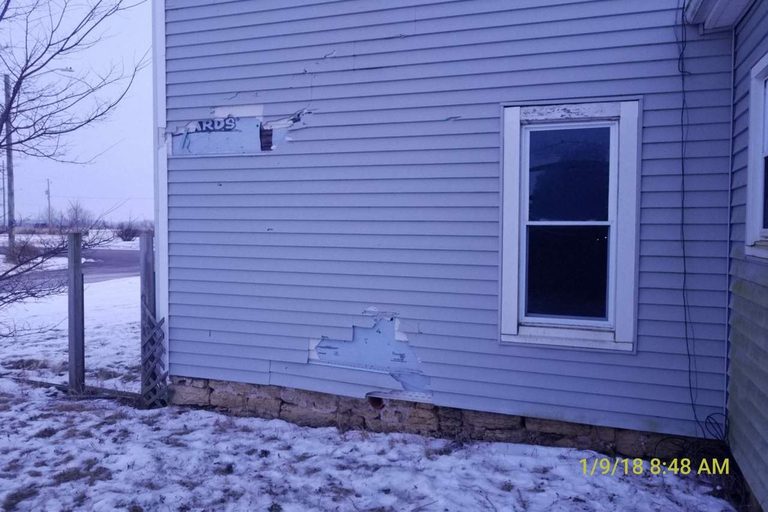
- Cracks, holes, dents and missing pieces, plus the wall each one sits on. A close-up of a split panel means more when the wide shot shows it's on the north wall facing the open field.
- Soft-metal items. Dents in the AC unit, the shed, the grill lid or the gutters show how hard the storm hit. Hail guidance specifically says to photograph damaged outdoor items like AC units and sheds.
- Windows and doors. Get cracks or holes in the glass, frames and trim.
- The roof, foundation and nearby rooms, from outside. One guide warns that skipping these leaves gaps adjusters will flag.
- Debris paths and broken fencing after wind.
- The water source, if water got in. That means the gap, the missing panel or the overflowing gutter, and not only the stain inside. In fall, gutters packed with leaves can turn a small siding gap into a bigger water problem, so photograph them too.
- Hailstones, if any are still on the ground. Put one next to a ruler or a coin to show its size.
- The neighbor's side, if their damage is visible from the homeowner's property. It helps show this was a storm and not wear and tear.
Last, have them write down the date and time of the storm. The insurer may check a hail claim against weather records.
Timing and what not to touch
The photos should be taken as soon as possible. One guide says to aim for the first 24 to 48 hours, before any cleanup or temporary repairs. A long gap between the storm and the first photo can raise questions about whether the damage was already there.
After the photos, the homeowner should do only cheap, temporary fixes to stop more damage. Minnesota Commerce gives examples like boarding a broken window or tarping a damaged roof. It also warns that damage which gets worse because nobody did that may not be covered. On a siding job, temporary usually means covering an open wall so rain can't get behind it. They should keep every receipt so they can be reimbursed.
What they shouldn't do: throw out the broken panels or book the permanent repair. Minnesota's guidance is to keep damaged material until the adjuster has seen it and to get instructions from the adjuster before calling anyone to repair or replace. The insurer may need to inspect first. Rules differ by state, but the safe habit is the same everywhere.
This is where your job goes on hold. You may be ready to fix it this afternoon, but the panels on the ground are evidence. If the homeowner wants it done before family arrives for Thanksgiving, be straight with them. The schedule depends on the adjuster, not on you.
Keep the records straight
Good photos still need good records behind them. Tell the homeowner to:
- Turn on date and location stamps on their phone camera. If the camera doesn't save that data, they can include a newspaper or a digital clock in the first photo of each set.
- Back everything up to cloud storage or to an external drive kept somewhere other than the house.
- Keep a call log. For every call with the insurer, write down who they talked to, when, and what was said.
- Save the weather data for the storm, such as the National Weather Service record for that day and place.
- Hold on to it all. One guide suggests keeping claim documentation for three to five years after the claim is settled.
None of this takes long, and it's much easier to do now than to rebuild months later.
Where you fit in as the contractor
I went from general contractor to handyman to doing only vinyl siding repair. On repair work, insurance jobs come with a line you shouldn't cross.
Here's what you can do. Give them the shot list. Write a clear estimate of the repair. Homeowners are often told to get two or three written estimates so the insurer has a cost baseline, so yours may be one of several. Minnesota Commerce also says the homeowner should ask the adjuster how estimates should be handled and who is responsible for getting them. If the homeowner wants you there, offer to meet the adjuster. The NAIC says it may help to have your contractor at that meeting.
Here's what you shouldn't do: file the claim, argue it, or negotiate the payout. Public adjusters do that work for a percentage of the settlement, and in many places a contractor doing it can run into licensing rules. Those rules vary by state, so check yours before you go anywhere near that work.
Be honest about what you can promise. You can say what's damaged, how you'd fix it and what you'd charge. You can't promise what the insurer will pay, or that the claim will be approved. My average ticket was about $350 a repair, and on a job that size, a clear estimate and a fair price help the homeowner more than any promise about the claim would.
Sources (4)
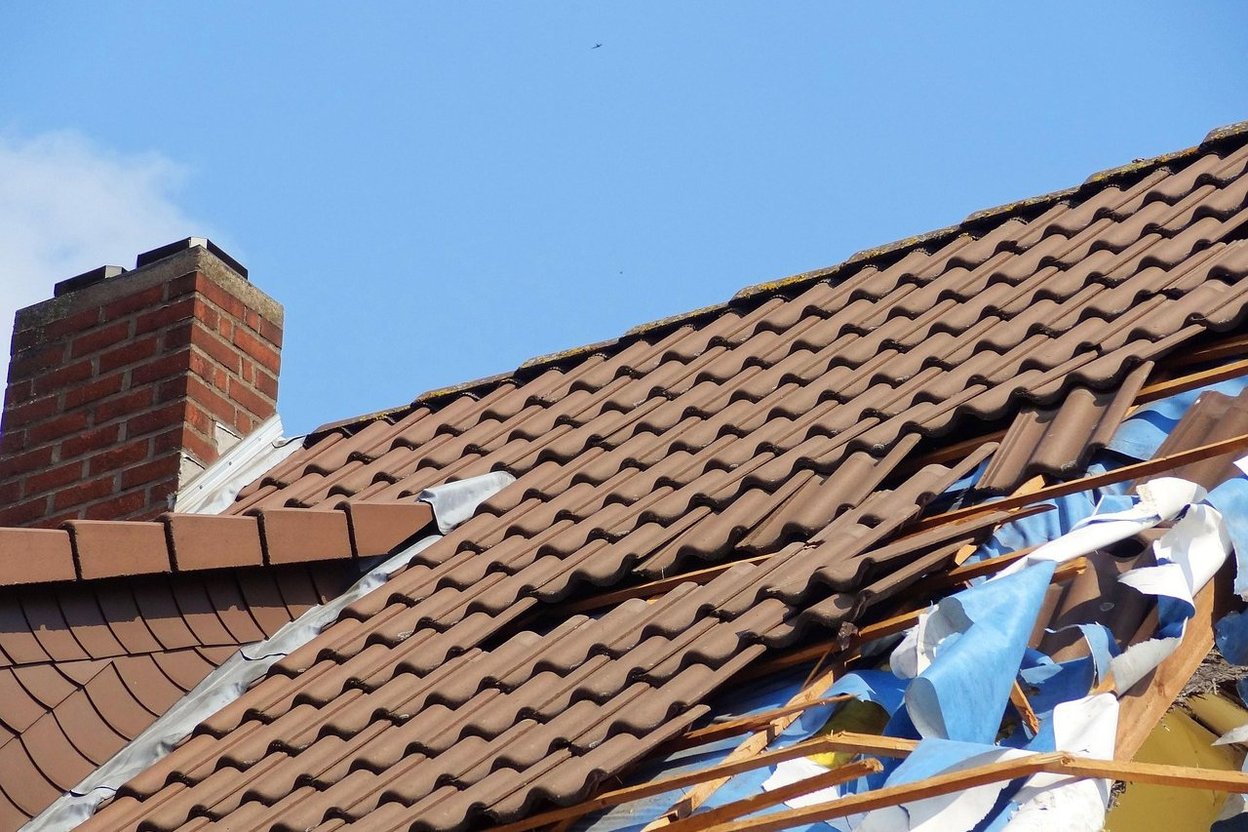
Photo by Jan-Mallander on Pixabay.