Almost every customer pays. But do this long enough and you'll run into one who doesn't: the "check's in the mail" guy, the landlord who disappears, the homeowner who suddenly has a complaint after the work is done. Here's how I handle it.
Prevention beats collection
Most non-payment problems can be headed off before the job:
- Get it in writing. A simple estimate or work agreement with the price, the scope and payment terms. "Payment due on completion."
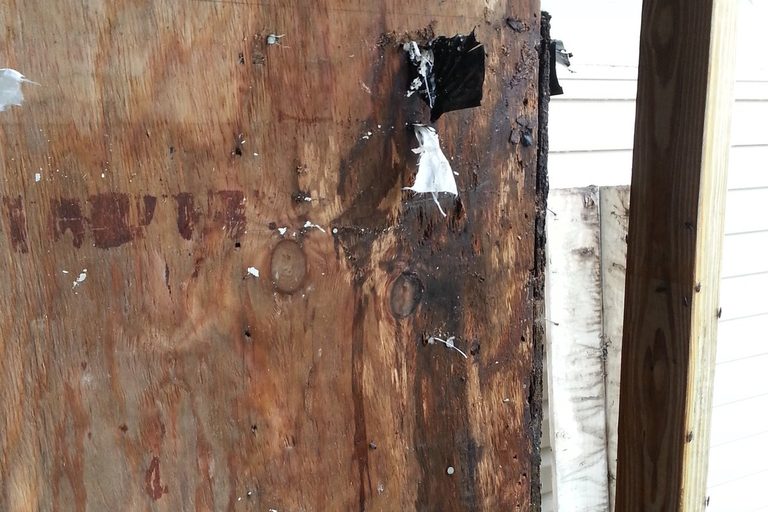
- Get approval before extra work. If you find rot or more damage, stop, show the customer and get approval for the added cost before you do it. Surprise charges are the number one reason for arguments.
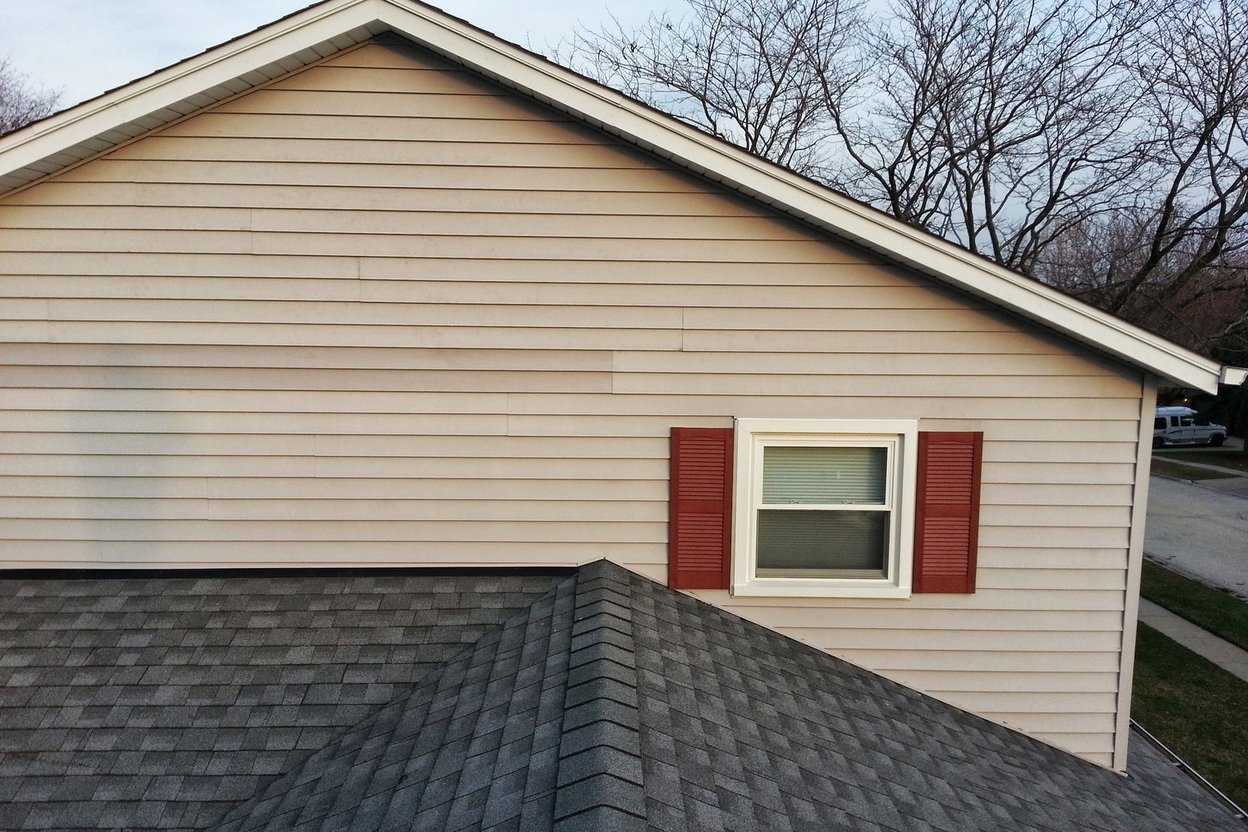
- Take photos before, during and after. See photo reports.
- Take a deposit on larger jobs or special-order materials.
- Make paying easy. Card, digital payment, check. The easier it is, the faster you get paid.
- Collect at the job whenever you can. Walk the customer around, show the work, hand them the invoice.
When an invoice goes unpaid
Step 1: A friendly reminder
Many late payments are just people forgetting. Send a polite text or email with the invoice attached: "Just a reminder the invoice for the siding repair is due. Here's a link to pay."
Step 2: A firmer follow-up
After a week or two, call. Be calm and direct. Ask if there's a problem with the work. Sometimes there's a small issue you can fix, and then they pay.
Step 3: A written demand
If they still haven't paid, send a formal letter or email: the amount, the date of the work, the invoice, and a deadline to pay. Keep a copy.
Step 4: Small claims court
For small amounts, small claims court is built for this. Filing fees are low, and you don't need a lawyer. Bring your estimate, invoice, photos and messages. Rules and limits vary by state.
Step 5: Mechanic's lien (know your state's rules)
In many states, contractors can file a lien on the property for unpaid work. The rules and deadlines are strict and vary by state, and some require notices before or during the job. Look up your state's rules or talk to an attorney before you rely on this.
When to walk away
Sometimes chasing a small invoice costs more in time and stress than it's worth. Decide your limit. Learn from it: what would have prevented it?
Don't do these
- Don't threaten or harass.
- Don't remove the work or damage anything.
- Don't post about them online with their name or address.
The bigger lesson
Customers who argue about the price at the start are usually the ones who argue about paying at the end. See siding repairs to walk away from and qualifying the phone call.
This isn't legal advice. Collection rules vary by state, so check yours.
Inside Siding Pro Academy, members share the estimate wording and payment terms that keep this from happening.
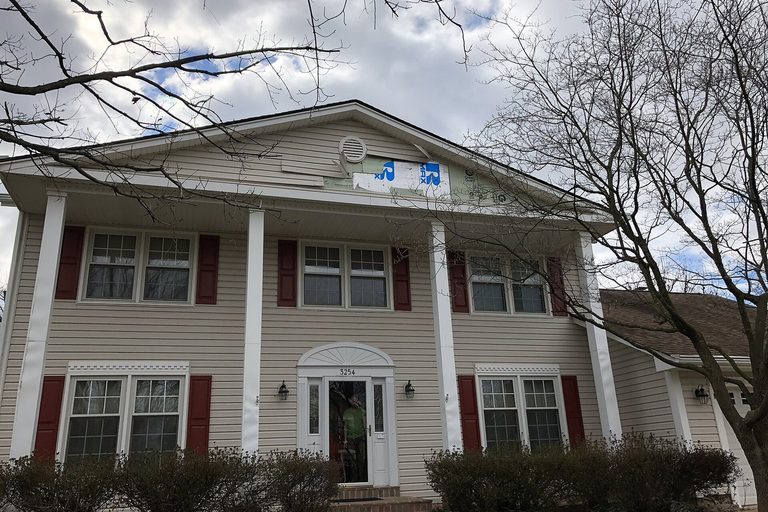
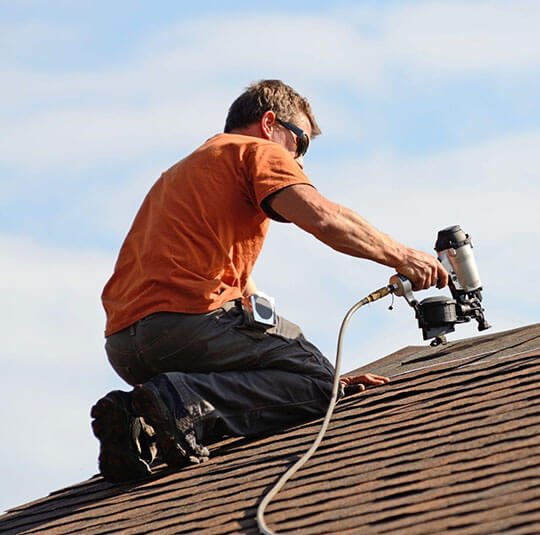
Photo: from a real Siding Pro Academy repair job.