One of the most important things I learned in siding repair is when to say no. Some jobs cost you more than they pay. Some put your name on something you can't fix. Here are the ones I walk away from, and how to do it without losing the customer.
1. Rot that goes deeper than the siding
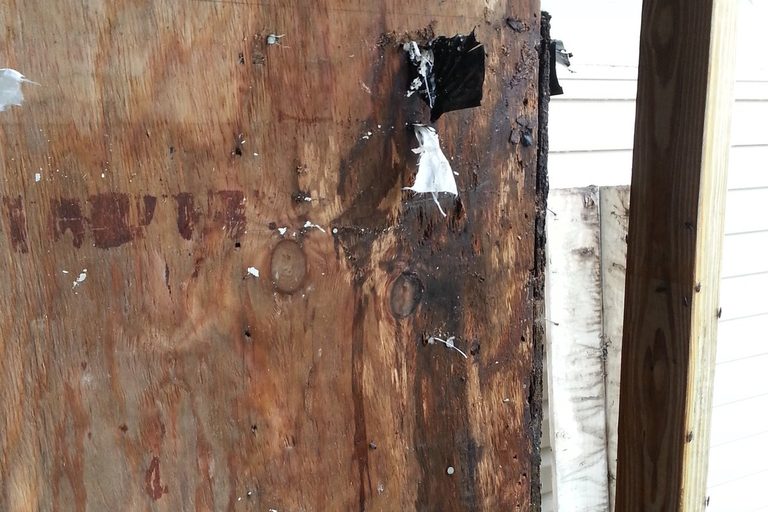
You pull a panel and the sheathing is soft, black, or crumbling. Sometimes the framing behind it is gone too. That's not a siding repair anymore. It's a carpentry and water-damage job, and it might be a mold problem.
- What I do: Stop. Take photos. Show the homeowner. If you do carpentry and you're set up for it, price it as a separate job. If not, refer them to someone who does.
2. Hardboard and old composite siding falling apart
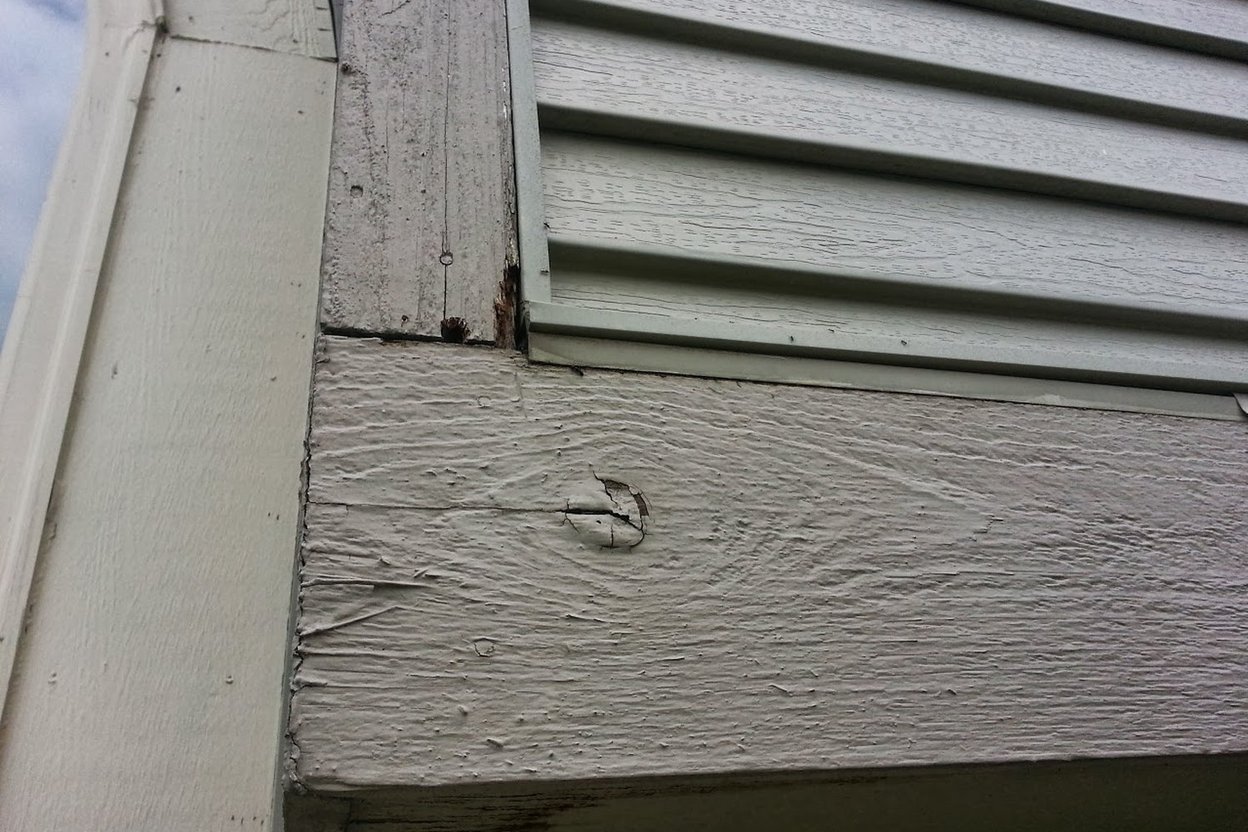
Old hardboard siding (the kind in the photo) swells and crumbles when water gets in. You can patch a piece, but the next piece is right behind it. A patch on a failing wall is a callback waiting to happen.
- What I do: Explain the problem. Offer a small patch only if they understand it's temporary, or recommend a re-side.
3. Work outside my lane
My scope is vinyl repair, gutters, soffit, fascia, trim, straight wood runs and some composite. I don't do:
- Fiber cement, stucco, or brick.
- Roofing.
- Full re-sides on big houses as a one-man shop.
Work you're not set up for is where mistakes and callbacks come from. It's okay to say, "That's not my specialty, but here's someone who does it."
4. Jobs you can't do safely
Three-story gables over a steep slope, power lines next to the work area, a roof you'd have to walk that you shouldn't. If you'd need equipment you don't have, rent it and price it in, or pass. No job is worth a fall.
Inside Siding Pro Academy, we share the list of jobs members turn down and the scripts for saying no.
5. A customer who wants it free or wants you to lie
- "Can you just do it cheaper?" Sometimes, for a good reason. Usually no.
- "Can you write this up as storm damage?" Never. See hail damage vs. wear.
- "I'll pay you when the insurance check comes." Get the terms clear in writing or don't start.
- "My last guy did a terrible job." Find out why. Sometimes it's the guy. Sometimes it's the customer.
6. Jobs that don't pay for the trip
A single loose piece of J-channel an hour away, for a customer who wants a $50 price, isn't a job. Have a minimum charge and stick to it, or bundle small jobs by area.
How to say no without losing them
Saying no doesn't have to cost you:
- Be honest: "That's not something I can fix right, and I don't want to sell you a patch that fails."
- Refer them: Know a carpenter, a roofer, a re-side company. Refer them. Good referrals come back.
- Offer what you can do: "I can't re-side the whole house, but I can fix this front wall."
- Leave a card. They'll call you for the next repair.
The jobs to say yes to
Most of your work should be the stuff that fits: the 10 most common siding repair jobs, quick wins like grill melts and wind-blown panels. Those are the jobs that build a business.
Saying no to the wrong jobs is what gives you time for the right ones.
Photo: from a real Siding Pro Academy repair job.