After a hailstorm, half the calls are hail damage and half are a homeowner noticing for the first time what their 20-year-old siding looks like. Your job is to tell them which it is, honestly, and document it. That's how you build trust, and it keeps you out of trouble with insurance.
What hail damage looks like on vinyl
- Cracks and holes, often round or star-shaped, on the side facing the storm.
- Chips and punctures in the panel's lower edge, where it's least supported.
- A pattern. Hail damage shows up in clusters on one or two sides of the house, the sides the storm came from. Check the same side for dented gutters, downspouts, window screens, AC fins and the mailbox.
- Fresh breaks. New cracks have clean, bright edges. Old cracks are dirty and weathered.
What wear looks like
- Fading on the sunny sides. South and west walls fade faster.
- Chalky surface. Wipe it with your hand.
- Old cracks that are dirty inside, or that line up with impacts from mowers or kids.
- Warping from heat or reflected sunlight.
- Damage everywhere, not just on one storm side.
Check the storm
If a homeowner says hail hit last week, look it up. Storm reports and local news will show whether hail fell in their area on that day, and roughly how big. If the damage doesn't match the storm, say so politely.
What to tell them
Be straight with them:
- "This is hail damage on the north side; you may want to call your insurance company."
- Or: "This is fading and age. Hail didn't do this. I can replace these panels, but insurance probably won't cover it."
Never tell a homeowner something is storm damage when it's not. Insurance fraud is a crime, and it's the fastest way to ruin your name in town. The honest answer also earns you the job more often than you'd think, because people can tell when you're straight with them.
Inside Siding Pro Academy, we go over how to write up a storm job so the homeowner and the adjuster have what they need.
Documenting it
Whether it's insurance or not, take good photos:
- Wide shots of each side of the house.
- Close-ups of the damage with something for scale (a coin, a tape measure).
- Matching damage on gutters, screens or the AC.
- Your notes: date, which sides, how many panels, profile and color.
If they file a claim, your photos and estimate help the adjuster. You can give the homeowner your estimate; let them deal with their insurance company. In some states, contractors negotiating claims on a homeowner's behalf may need a public adjuster license or face other rules, so know what's allowed where you work.
When it's a big job
Widespread hail damage can mean a whole side or a full re-side. If you're a one-man repair guy, decide whether that's your job. Some repair guys take the side or two of repairs and refer the full re-side. That's fine.
The bottom line
Your reputation is built on telling people the truth about their siding. Hail or wear, explain it, document it and give them an honest price. The next storm, they'll call you first.
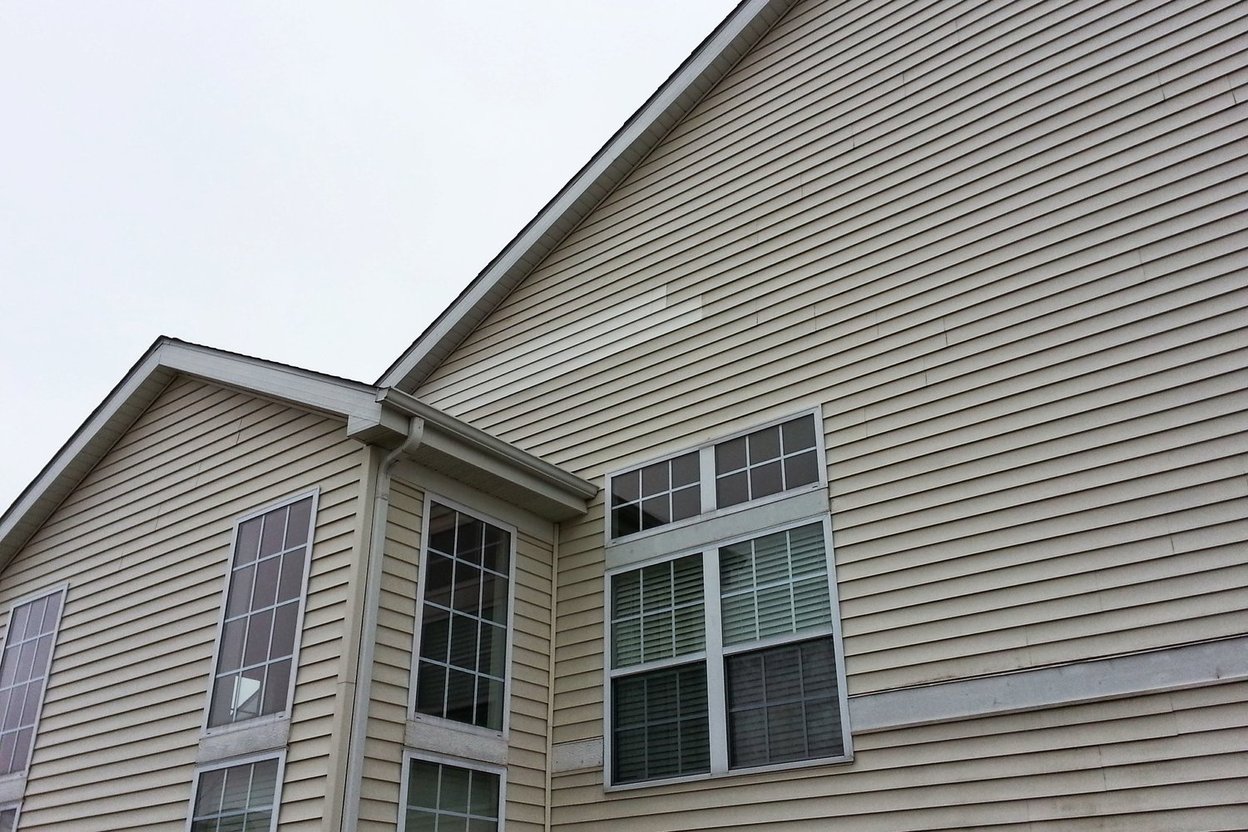
Photo: from a real Siding Pro Academy repair job.