If you do siding repair long enough, you learn that the panel isn't the hard part. Finding the panel is. A house built in the '90s has siding that was discontinued years ago, faded on top of that, and the homeowner wants the patch to disappear. Here's how I handle it.
Step 1: Identify what's on the house
Before you can match it, you need to know what it is. Pull a piece if you can (a damaged one, or carefully unlock one from a spot that's already coming off) and check:
- Profile: double 4", double 4.5", double 5", Dutch lap, board and batten, beaded. Measure the exposure (the visible height of each course).
- Thickness: builder-grade thin vs. a heavier premium panel. Thickness affects how it locks and how it looks.
- Texture: woodgrain, smooth, or a brushed finish.
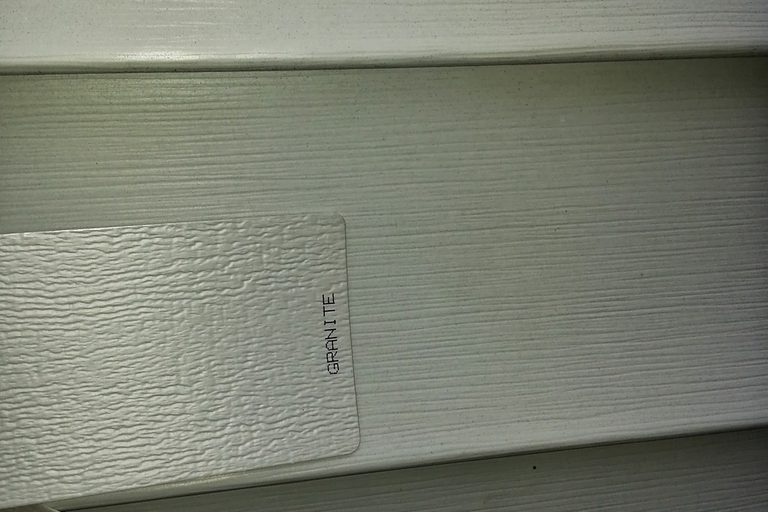
- Brand marks: many panels have a manufacturer's name, a product line or a code stamped or printed on the nail hem or the back. Take a picture of it.
- Color: compare it outside in daylight, not on the truck under shop lights.
Ask the homeowner if they have leftover pieces in the garage, basement or attic. You'd be surprised how often there's a box of original siding sitting in the rafters. That's the best match you'll ever get.
Step 2: Look for a match
Once you know the profile and maker:
- Your supply house. The counter guys at a siding distributor have seen it all. Bring the sample. They often know what replaced a discontinued line and which current colors come closest.
- Manufacturer lookups. Several manufacturers have tools or customer service lines to identify old products.
- Salvage and leftover sellers. Online listings, Facebook Marketplace and local leftover building material stores sometimes have old stock.
- Siding matching services. Some companies specialize in finding or making matches for discontinued siding, sometimes by painting or color-matching panels.
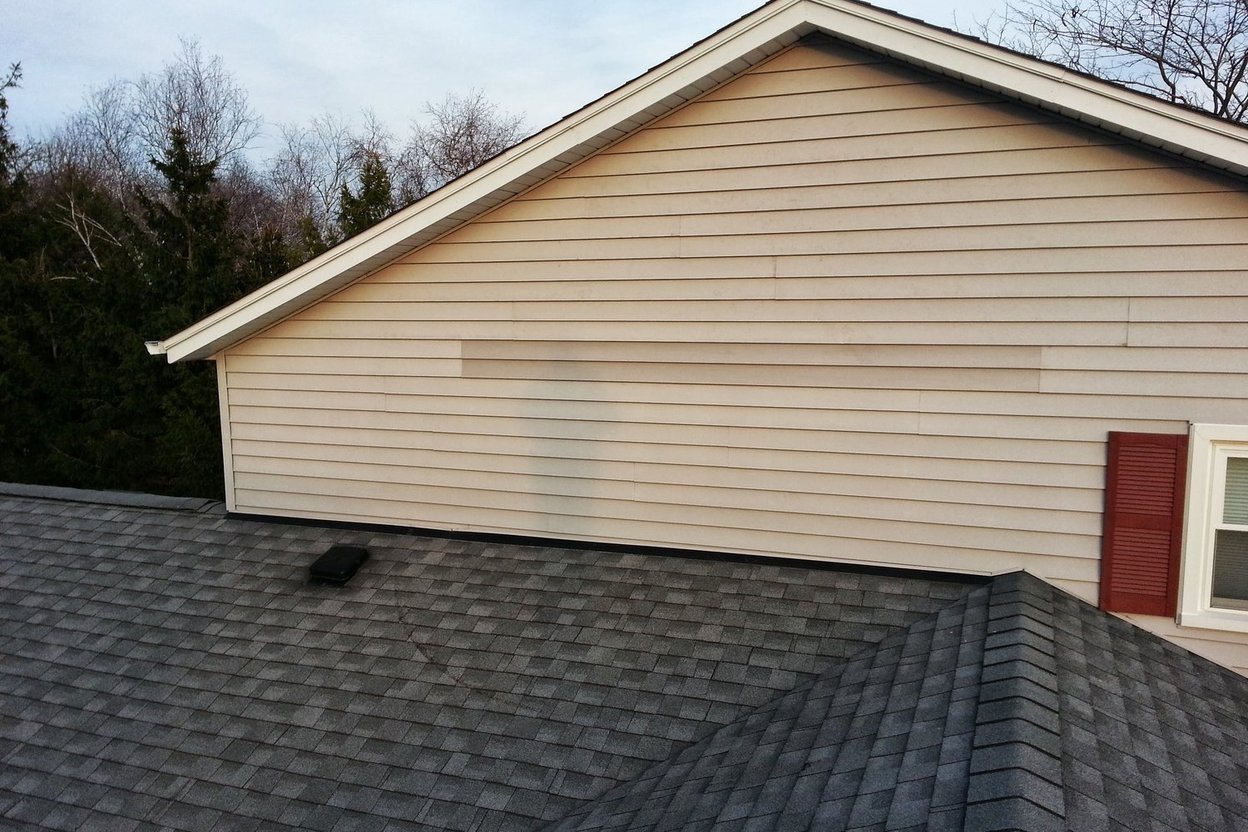
Even with the right profile, color is the big problem. Old siding has faded. A brand-new panel in the "same" color will look darker than the wall around it.
Step 3: The borrow-from-the-back trick
This is the move that makes a repair guy look like a magician. If you can't find a match:
- Take panels from a hidden spot: the back of the house, behind a deck, inside a fenced side yard, or behind a garage.
- Use those faded, matching panels on the front where the damage is.
- Put the new, closest-match panels in the hidden spot.
The front of the house looks perfect, and the slight color difference ends up somewhere nobody looks. Explain this to the homeowner before you start, so they're not surprised to see you working on the back of the house.
Inside Siding Pro Academy, we go over how to price these jobs so the extra time for borrowing and swapping is covered.
Step 4: Set expectations
Don't promise an invisible repair. Tell the homeowner up front:
- The siding is discontinued and faded.
- Here are the options: closest new match, borrowing from the back, or a full wall replaced for an even look.
- Here's what each one costs and how it'll look.
Show them pictures from past jobs. When they've seen the options, they make the call, and they're happy with the result because they chose it.
Step 5: When it's a whole wall
Sometimes the patch would be too obvious no matter what. A full side or gable in a new color that's close, ending at a corner or a natural break, can look intentional. That's a bigger ticket and often a better result.
Price it right
Discontinued-siding jobs take more time: identifying, sourcing, borrowing, explaining. Price for it. A job that would be a quick panel swap with matching siding becomes a half-day job. If you don't charge for the extra work, these will eat your week.
The guys who learn to handle discontinued siding get the referrals, because the big siding companies don't want to deal with it. See why siding companies turn down repair jobs and replacing a single vinyl panel.
Want the scripts and photos I use to walk a homeowner through their options? They're in Siding Pro Academy.
Photo: from a real Siding Pro Academy repair job.