"Can't you just caulk it?"
Every siding repair guy hears it. Sometimes the answer is yes. Often it's no, and the customer needs to know why.
When caulk is fine
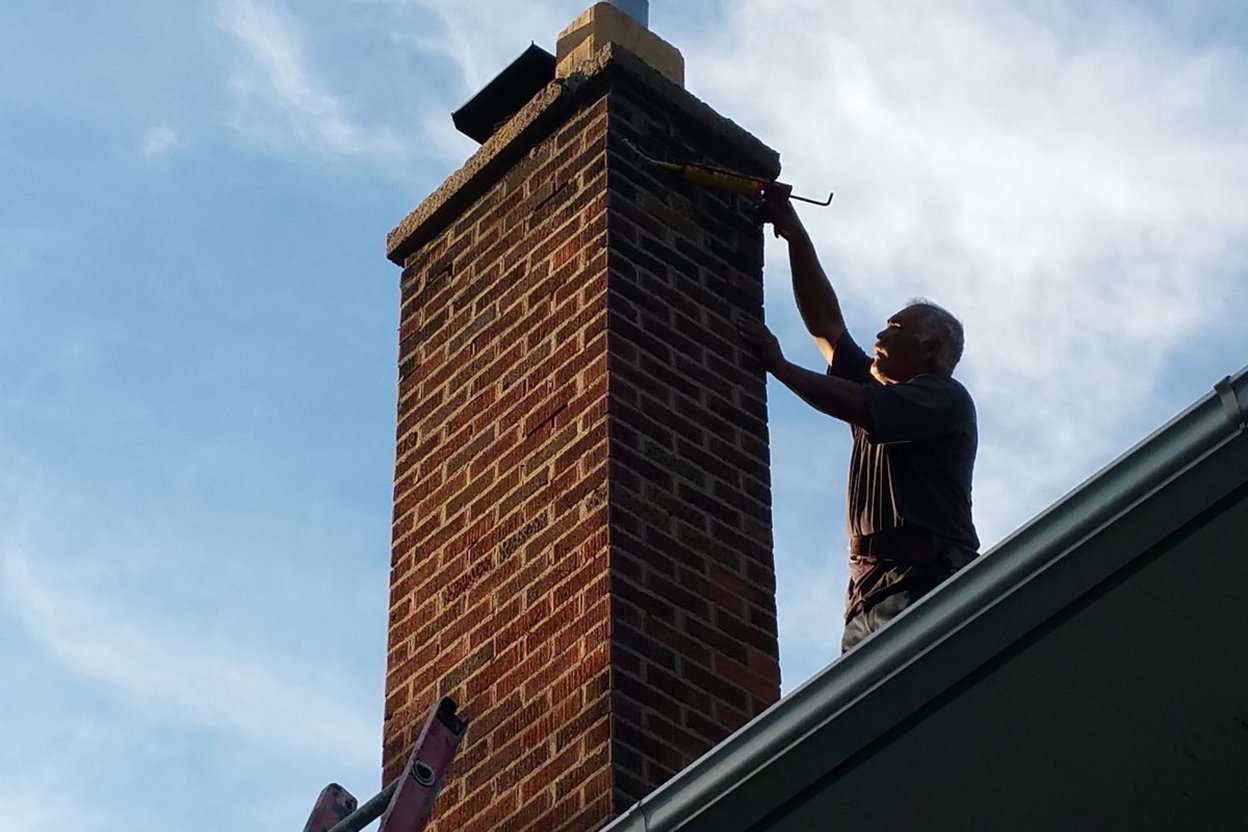
- Sealing where trim meets a window or door frame, as part of a proper install
- Small gaps at fixtures, outlets and vents
- Touching up a joint that was already detailed correctly
When caulk is the wrong answer
- Gaps in vinyl laps or J-channel. Vinyl is built to move. Caulk it solid and it can't. It buckles or the caulk tears, usually by next summer.
- A leak at a window. If water is getting in, the trim cut or flashing is wrong. Caulk covers it up for a season, and the rot keeps going. See the quote that includes rot.
- Cracks and holes in panels. Caulk on a cracked panel looks bad and doesn't stop the crack from spreading in the cold.
- Behind the siding. Caulk on the outside doesn't fix water that's already inside.
What to say
> "I can caulk it, and it'll look sealed. But vinyl moves with the weather, so the caulk will pull loose, and water will keep getting in behind it. I'd rather fix it right once than come back. Here's what that costs."
Then give both prices: the caulk and the real repair. Let them choose. Most choose the real fix once they see the difference is smaller than they feared.
If they still want caulk
It's their house. If you do it, write on the invoice: "Customer chose caulking instead of recommended repair. Caulking is a temporary measure and is not warrantied." That protects you when they call in March.
Or pass on it. Some repair guys won't do caulk-only jobs because they don't want their name on a repair that fails. That's a fair choice too.
Inside Siding Pro Academy, members share how they explain the difference to customers.