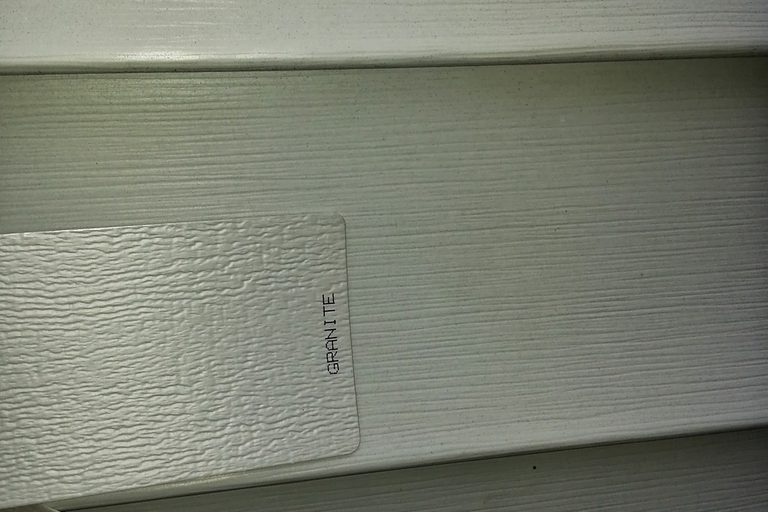

A customer says water is coming in under a window. They think the siding is bad. Nine times out of ten, the panel is fine. The problem is around the opening.
Where to look first
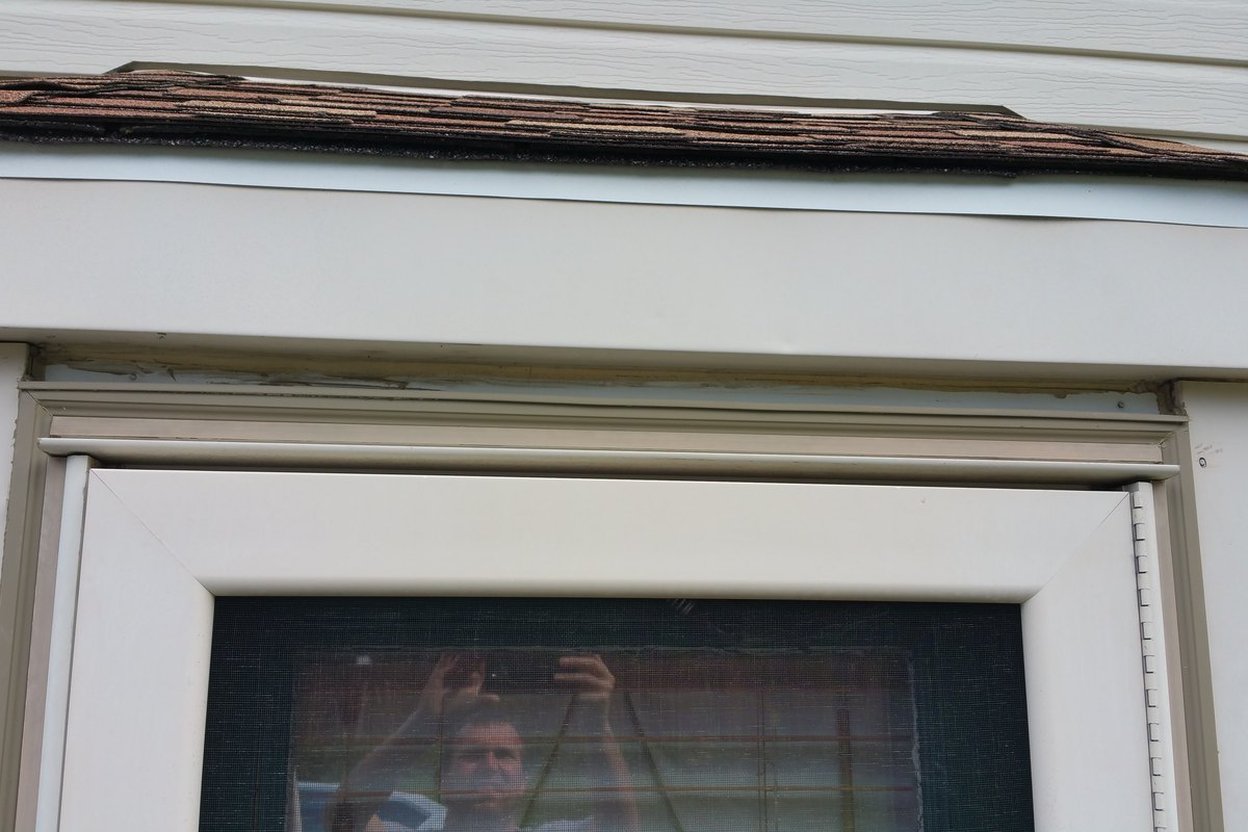
The top corners of the window. The J-channel across the top of a window should overlap the side pieces so water runs over them, not into them. A common mistake is a top piece cut flush, or tucked behind the sides, which sends water straight into the wall.
The flashing above. Above the window there should be flashing or a head flashing that sends water out and over the trim. Missing or reversed flashing is a classic leak.
The caulk. Old caulk shrinks and splits. A thin gap at the trim is often the only thing letting water in. But caulk alone isn't a fix. See caulk is not a repair.
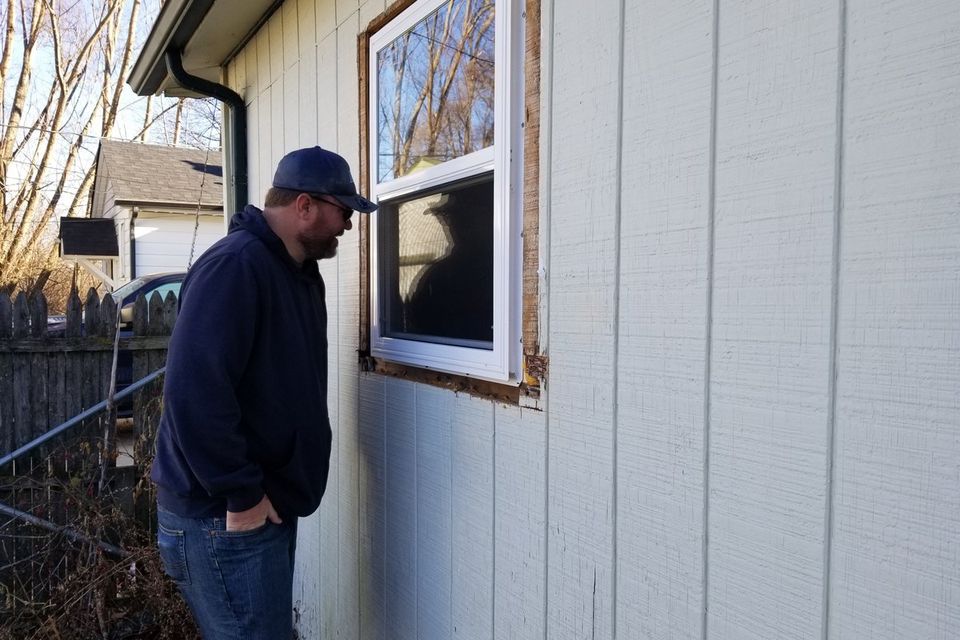
The sill. Water that gets past the trim sits on the sill. Look for staining under the window and soft spots in the panel below.
What to check inside
Ask the customer where they see the water, and when. Only in wind-driven rain from one direction? It's probably the trim or flashing on that side. Every time it rains? Look higher, at the roof line or gutter above.
The repair
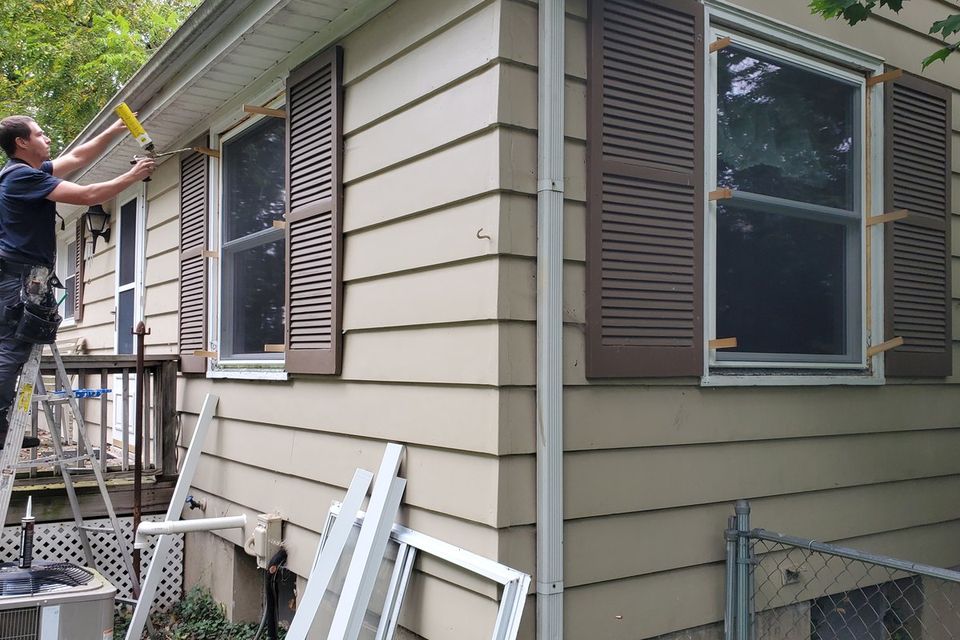
Usually it means pulling the panels around the window, fixing the flashing and trim cuts, and rehanging the same panels. If water's been getting in a while, budget for some sheathing repair, and say so on the estimate.
Price it carefully
This is one of those jobs where the wall can surprise you. Put it in writing: "price includes repairing trim and flashing at window. If rotted sheathing or framing is found, we'll stop and give you a separate price." See the quote that includes rot.
Show them
Photos of the bad cut, the missing flashing and the fixed version go a long way. Customers trust what they can see. See before-and-after photo reports.
Inside Siding Pro Academy, members share the trim details they use around windows and doors.