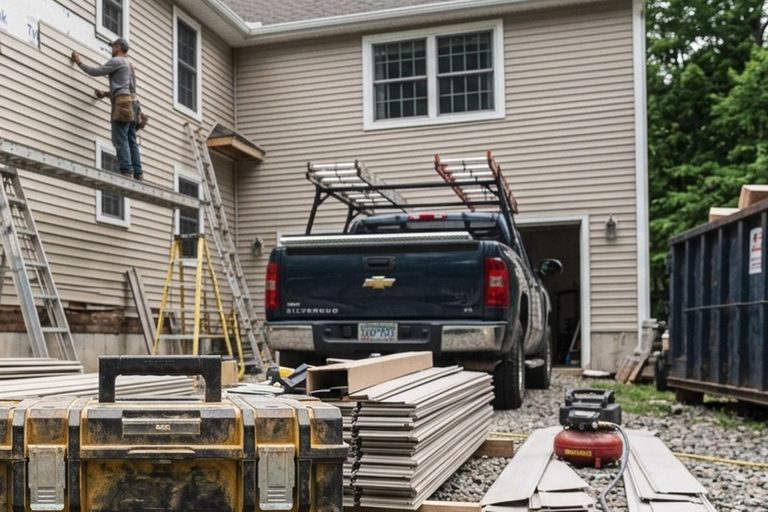

Most people think "siding business" means crews, a warehouse, sales reps and whole-house jobs. That's the siding installation business, and it's a hard one. Siding repair is different: one person, one truck, small jobs, steady demand, and almost no competition from the big companies, because they don't want small jobs.
Here's how to start one.
Step 1: Get the skills
If you've done siding, framing, roofing, gutters or handyman work, you're most of the way there. The core repair skills:
- Unlocking and replacing vinyl panels without tearing up the wall
- J-channel, corner posts and trim
- Soffit and fascia
- Matching color and profile, including discontinued siding
- Flashing around windows, doors and penetrations
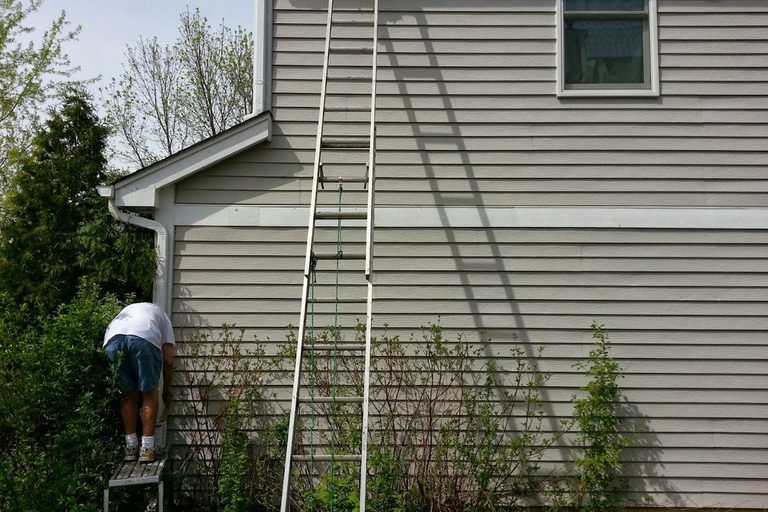
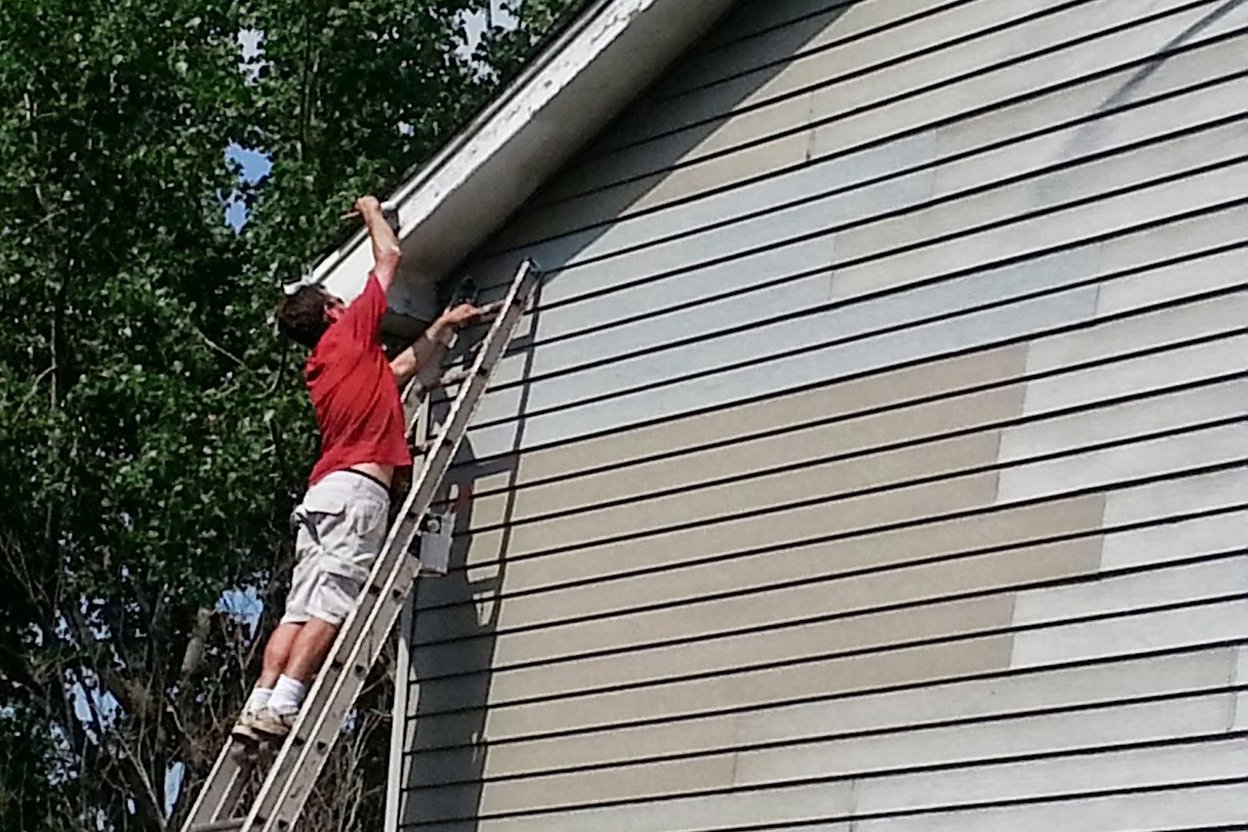
- Working safely off ladders and roofs
If you're new, work a season with an installer or repair contractor. Nothing beats hands-on time.
Step 2: Pick your service area
Siding repair needs vinyl. Vinyl is the most common siding across much of the Midwest, Northeast and parts of the South. Draw a circle around home that you can reach in about 30–40 minutes. That's your territory to start.
Step 3: Get legal and insured
- Business registration with your state and town.
- Licensing: some states and cities license contractors or home improvement businesses; check yours.
- General liability insurance. Property managers and many homeowners will ask for a certificate of insurance.
- Workers' comp rules if you ever hire help.
Step 4: Set up the truck and tools
You don't need much to start: ladders and ladder accessories, a siding removal (zip) tool, snips, a speed square, a nail gun or hammer, a utility knife, a brake if you'll bend aluminum trim, and a small stock of common colors. We'll cover the full tool list in its own post.
Step 5: Decide how you'll price
Price by the job, not by the hour, with a minimum charge that covers your drive, setup and time. Small repairs add up: an average repair ticket around $350 is realistic for many markets, and two or three a day is a good living. Learn your local market and never be the cheapest guy in town.
Step 6: Get the first calls
Your first customers come from people who know you, a Google Business Profile, the neighbors of every job, and referral partners like property managers and home inspectors. See how to get your first 10 customers and working with property managers.
Step 7: Run it like a business
Answer the phone, show up when you say, clean up, send photos with the invoice, and ask for reviews. Track every job: what you charged, what it cost, how long it took. That's how you find what's profitable.
Why repair is the smart start
Low startup cost, no crew, no big material orders, fast jobs, and paid the same day in many cases. You can start part-time and grow at your own pace.
We built Siding Pro Academy for exactly this: experienced tradesmen setting up a one-man siding repair business, with the pricing, the paperwork and the ways to keep the schedule full.
Photo: from a real Siding Pro Academy repair job.