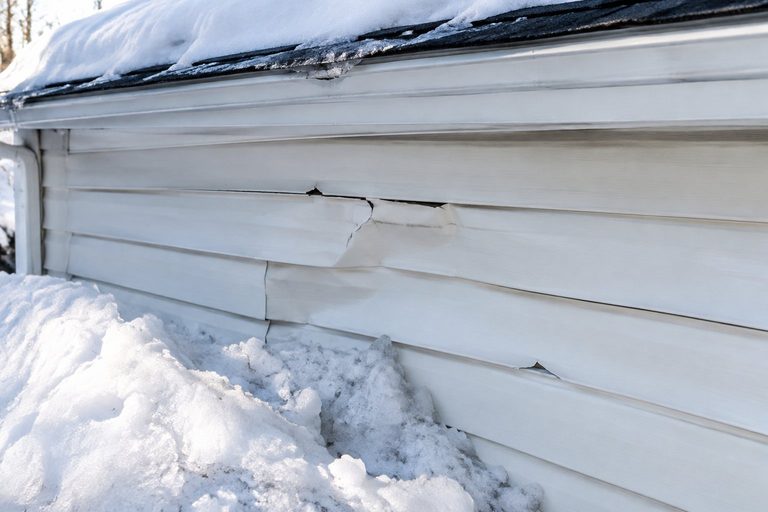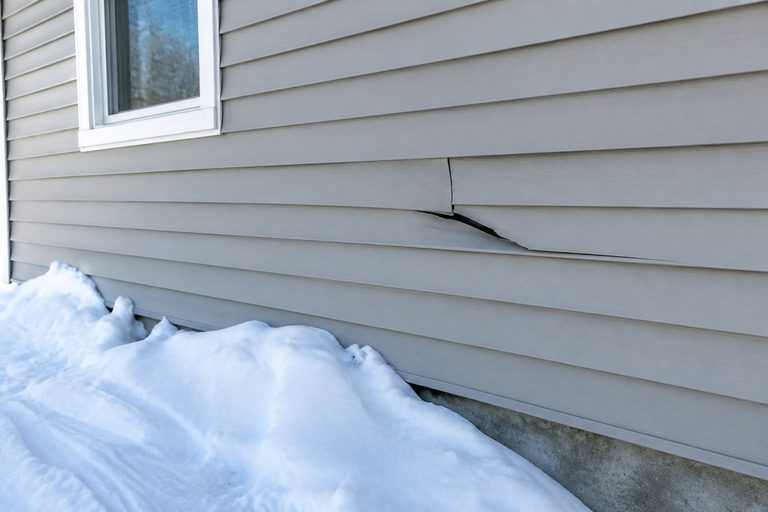
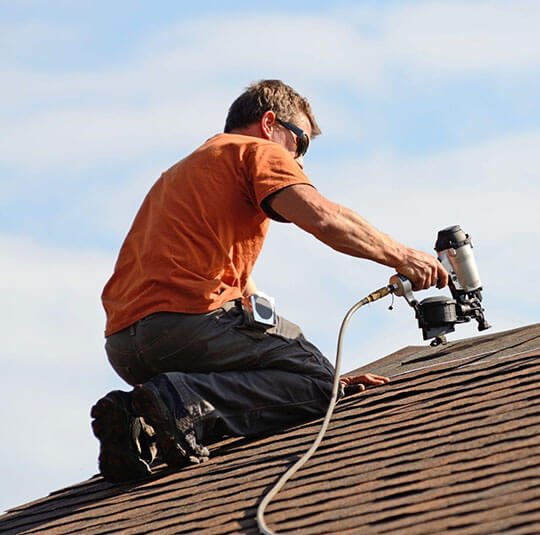
It's January. The phone rings, and the homeowner says there's ice hanging off the gutters, a cracked siding panel under the eave, and a brown stain on the bedroom ceiling. You can often fix the siding. If the damaged panel is within reach and it's safe to handle the vinyl and stand where you need to stand, you can replace it mid-winter. What you can't do with siding is stop the leak. Before you take the call, figure out which of those two problems you're actually being asked to solve.
What I can fix mid-winter
The short answer: if the damaged vinyl panel is within safe reach, I can replace it. If a panel has only come unlocked and the lock itself isn't damaged, I may be able to snap it back together. "May" matters there. Old vinyl that has been frozen in place is not always ready to flex.
Cold weather doesn't automatically mean waiting for spring. The Vinyl Siding Institute's installation manual covers working below freezing and lays out a method for replacing a single panel. CertainTeed's installation guidance also covers cold-weather installation. Nothing in either one says every winter job is a go, though. No temperature guarantees that aged, cold vinyl will unlock without cracking. So I decide job by job, based on the panel, the footing, and what's hanging over my head that day. The calendar doesn't decide it.
Keep two jobs separate in your head. Fixing the siding is one job. Stopping an active ice-dam leak is a different one. Vinyl is cladding, not a watertight wall. A new panel does nothing for a roof leak or for the water-resistive layer behind the siding.
Find out whether the siding is actually the problem
When snow melts on a warm roof and refreezes at the cold edge, it forms an ice dam. Water pools behind the dam and can back up under the roofing. From there, according to the University of Minnesota Extension, it can reach exterior walls, ceilings, and insulation. The National Weather Service describes the same path.
That means water running down a wall doesn't prove the vinyl failed. Cracked or disconnected vinyl is something you can see and put your hand on. Staining on panels that are still intact is different. It often means water is traveling behind good siding, or coming down from above it.
Stains that start at the soffit and run down the siding during an ice-dam event can point to roof leakage, according to Structure Tech's inspection explanation. The same source notes that condensation can also stain siding in winter. Treat the stain as a clue. It isn't a diagnosis.
Write down what you find. Photograph the visible damage, note where the leaks show up inside the house, and record what you see behind any panel you open. You'll need those notes later.
How I approach a small panel repair
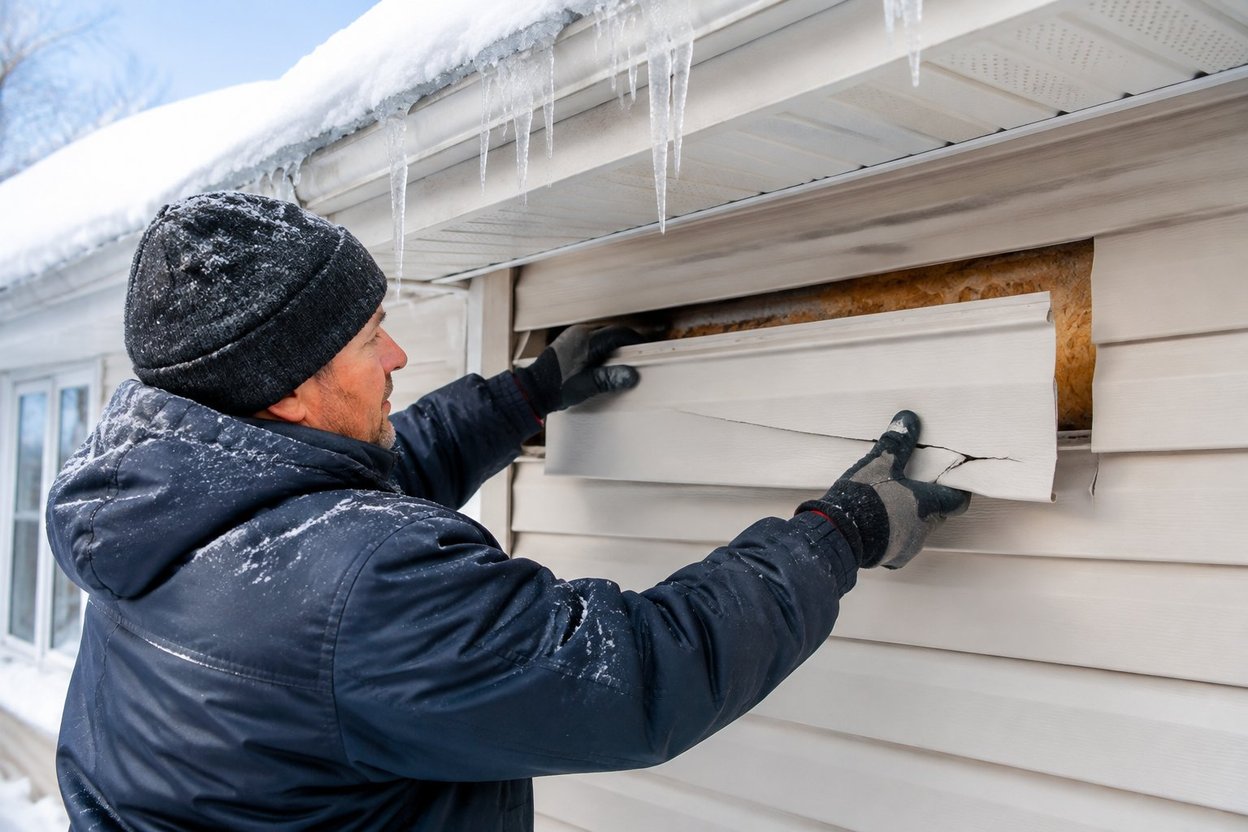
The replacement sequence in the VSI manual is simple:
- Use a zip tool to unzip the panel above the damaged one.
- Lift that upper panel gently and pull the nails from the damaged piece.
- Install the replacement panel.
- Zip the upper panel back down over it.
In the cold, the word that matters is "gently." Lift only as far as you have to. If the upper panel fights you, stop and reconsider before you crack a second piece.
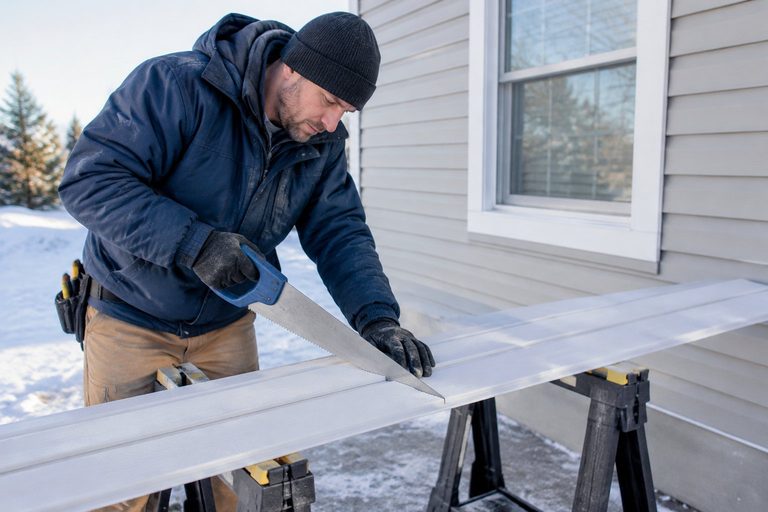
Cut slowly. The manual says to move the saw slowly through vinyl in extremely cold weather to reduce chipping and cracking.
Make sure the lock is fully engaged along the whole length of the panel. A half-locked panel is the next service call.
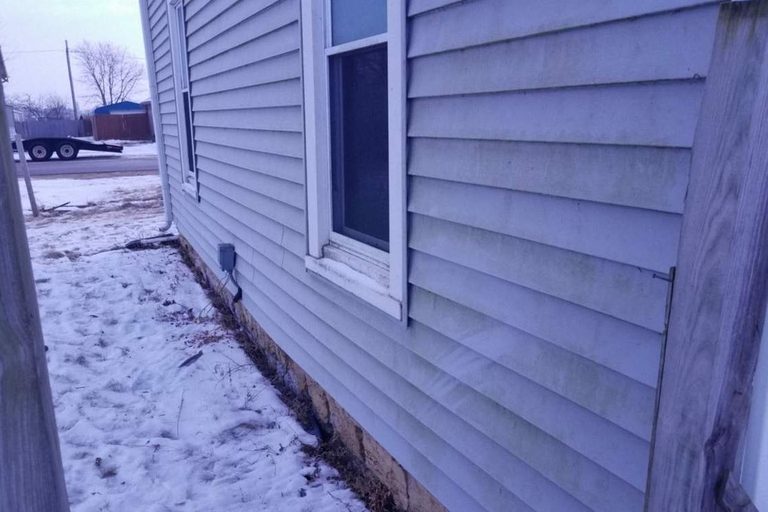
Put each fastener in the center of the slot. Leave the head loose enough that the panel can slide. Vinyl moves with temperature, and a nail driven tight fights that movement. The exact gap under the nail head varies by manufacturer, so take it from the instructions for the siding on that house. Don't use a number you remember from another brand.
Clearance matters even more in winter. Below 40°F, general guidance calls for 3/8 inch of clearance where panels meet receiving channels or stops. A panel installed cold will grow when summer comes, so it needs that room. Again, the actual product's manual controls.
Don't caulk your way out of the job. The VSI manual says not to caulk panel overlaps or the spots where panels enter inside corners, outside corners, or J-trim. Caulk there locks the panel in place and can trap water. The siding system is designed to move and drain, and a bead of sealant on every seam works against both.
When I stop and hand the job off
Some calls end in the driveway. These are my boundaries:
- Ice or snow hanging overhead. Working under a loaded roof edge puts you at risk from falling material. OSHA's rooftop snow-removal guidance warns about this, including the danger to people on the ground.
- Bad footing. OSHA advises checking ladder rungs for ice and making sure the footing is level and secure before you climb. If you can't get both, don't climb.
- Active leaking. If water is still coming in, a new panel won't stop it.
- Damaged backing. Soft sheathing or a torn water-resistive layer behind the siding turns a one-panel repair into a different job.
Fixing siding and removing ice are separate trades. Minnesota's Department of Commerce recommends professional steam removal when an ice dam is already damaging interior walls or ceilings. It warns against removing ice with chippers, chemicals, or heat. That's Minnesota guidance, not a national rule, but it's sound. If the dam is the problem, refer the customer to a roofer or an ice-removal outfit and come back for the siding afterward.
What I put in the estimate
I recommend breaking winter work into separate written scopes:
- Inspection: what you looked at, and what you couldn't get to.
- Panel replacement: which panels, and where on the house.
- Later work: anything you find once the wall is open, quoted separately after you've seen it.
These are business habits, not industry pricing rules. They protect you and the customer. If you open a wall and the sheathing is wet, nobody should be surprised that the price changes.
Write down which damage you could see and which conditions are still unknown. Examples are areas under snow, sections you couldn't reach safely, and anything behind panels you didn't open.
The tools for this work are cheap. In October 2026, Home Depot listed the Malco SRT2 siding removal tool at $6.98, with a note that local prices vary. That price tells you what a zip tool costs. It tells you nothing about what a winter repair job pays.
What needs follow-up after the emergency
The emergency ending doesn't mean the job is done.
Interior repairs have to wait. The University of Minnesota Extension says walls and ceilings should be dry before interior finishes are repaired. If the homeowner wants the drywall patched next week, that call probably belongs to a drying specialist first.
Recurrence comes from the attic. Ice dams form because heat escapes into the attic and melts snow on the roof. Both the Extension and the Minnesota Department of Commerce point to sealing air leaks into the attic and improving insulation as the fix. That's also outside my lane, but the homeowner should hear it from you so it doesn't come as a surprise next winter.
Write down the referrals the job needs, such as a roofer, an ice-removal crew, a drying specialist, or an insulation contractor. Then book a return visit for when the snow is gone and you can see the whole wall. With Thanksgiving coming, now is a good time to decide how you'll handle these calls before the first one comes in.
The rule I work by is simple: I quote the siding work I can see and do, and I name the rest.
Sources (8)
- Vinyl Siding Institute Installation Manual (2020)
- CertainTeed: How to Install Vinyl Siding
- University of Minnesota Extension: Dealing with and preventing ice dams
- National Weather Service: Roof Ice Dams
- Structure Tech: Siding stains, why do houses cry?
- OSHA: Hazard Alert, Falls and Other Hazards during Rooftop Snow Removal
- Minnesota Department of Commerce: Ice dam guidance
- Home Depot: Malco siding removal tool listing