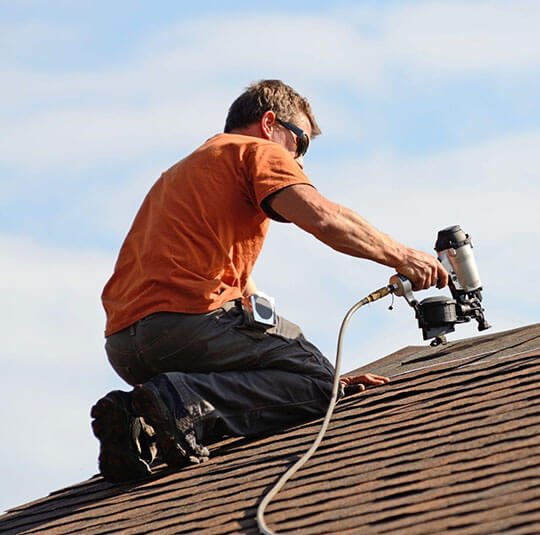
In the northern half of the country, the first hard freeze is a few weeks out. After that, vinyl gets brittle, caulk won't cure, and homeowners stop thinking about the outside of the house until spring.
That makes October a good month to offer a fall siding check to past customers, neighbors of current jobs, and the realtors and property managers you work with.
What to look for
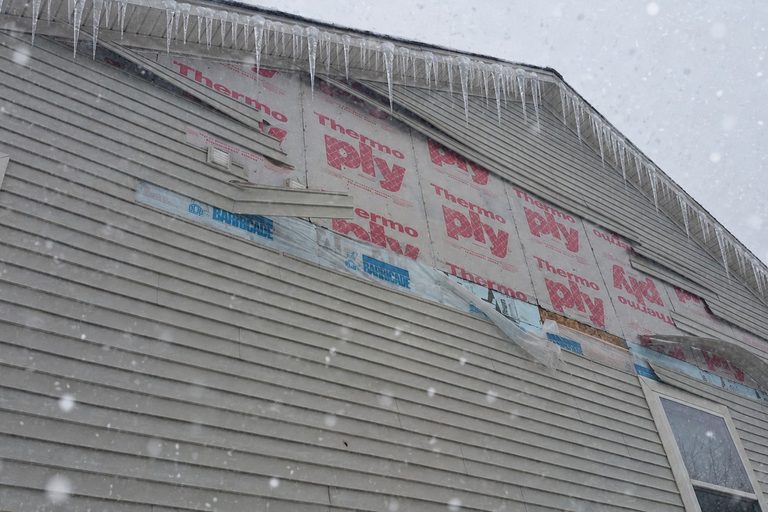
- Loose or unlocked panels. A panel that's popped out of its lock will catch the first big winter wind. See wind-blown and unlocked siding panels.
- Cracks and holes. Small cracks in vinyl spread when it's cold and brittle. Water gets in, freezes and pushes.
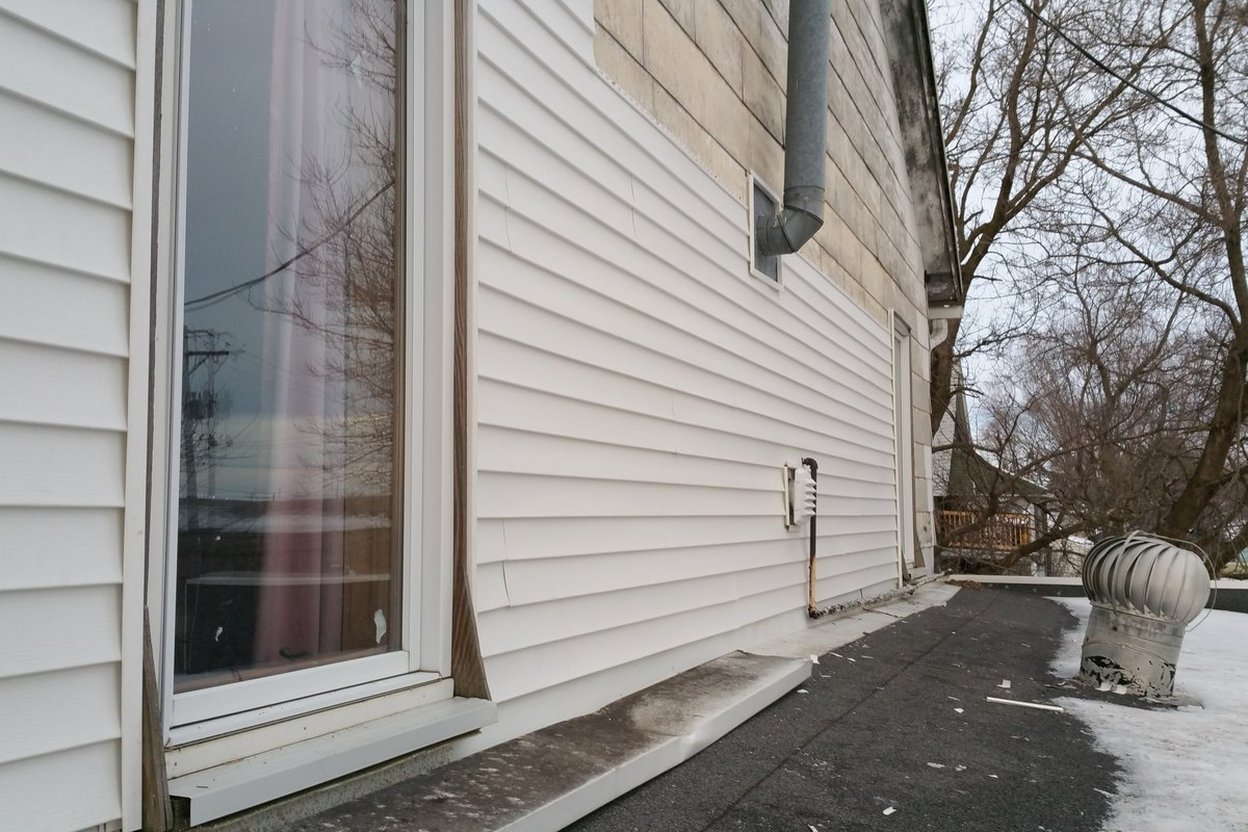
- Trim and window flashing. Most leaks at windows and doors come from how the trim was cut and flashed, not the panel. Look for gaps and old, split caulk.
- Gutters and downspouts. Overflowing gutters dump water behind the siding at the corners. Look for staining and soft spots below.
- J-channel full of debris. Leaves and dirt in the bottom of a J-channel hold water against the wall.
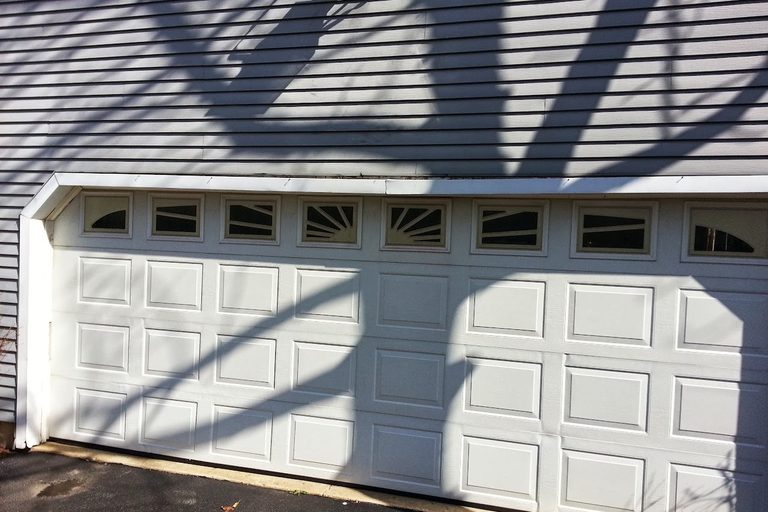
- Grill melt and dryer vents. Summer grill damage gets ignored until fall. See grill-melted siding repair.
What can wait, and what can't
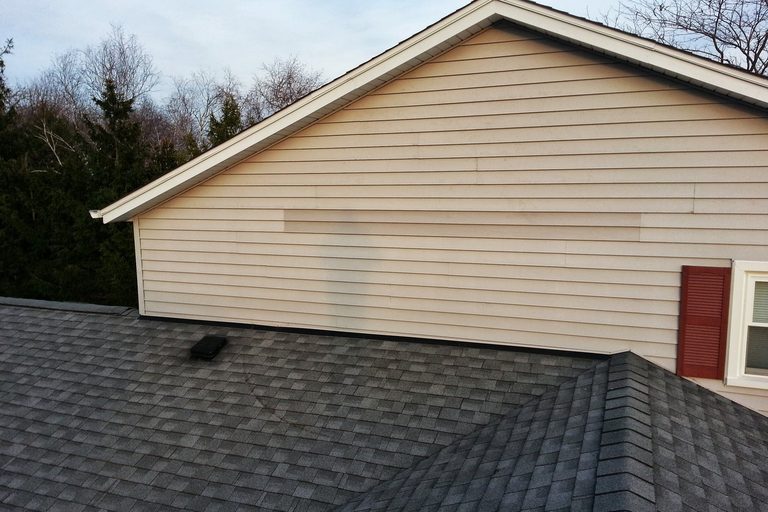
Cosmetic stuff can wait until spring: a faded panel, a scuff, a small dent in aluminum.
Anything that lets water or wind in shouldn't: open panels, holes, missing trim, and a gap where siding meets a roof line. Those get worse over a winter, and the repair in April is bigger than the repair in October.
How to offer it
Keep it simple: walk the house, take photos of anything you see, send the homeowner a short report with pictures, and give a written price for the repairs. See before-and-after photo reports.
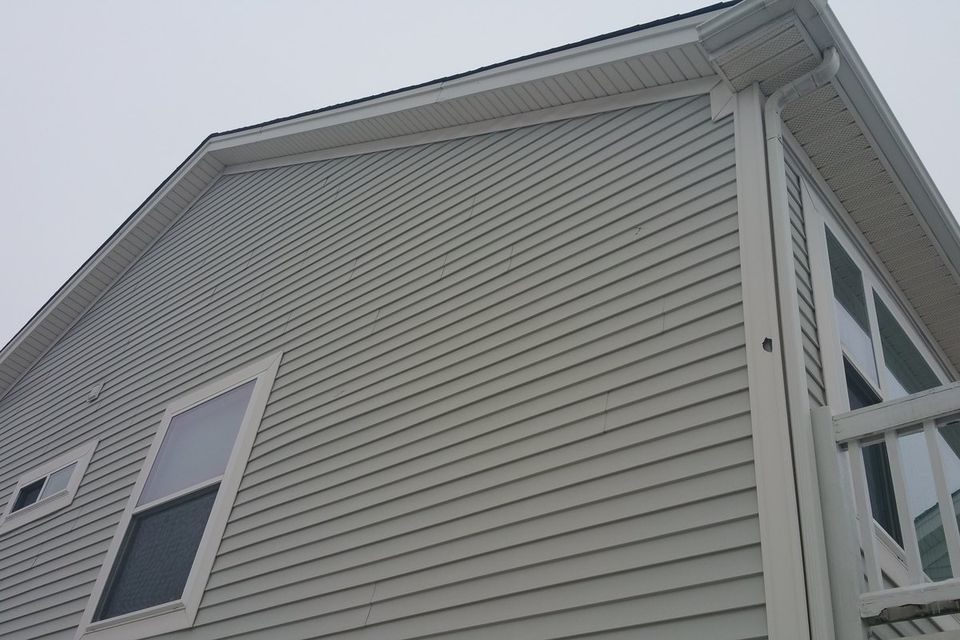
Don't make it a hard sell. Homeowners who get an honest list and a "this part can wait" tend to call you back, and tell their neighbors.
Inside Siding Pro Academy, members share their fall check list and the photo report they send customers.