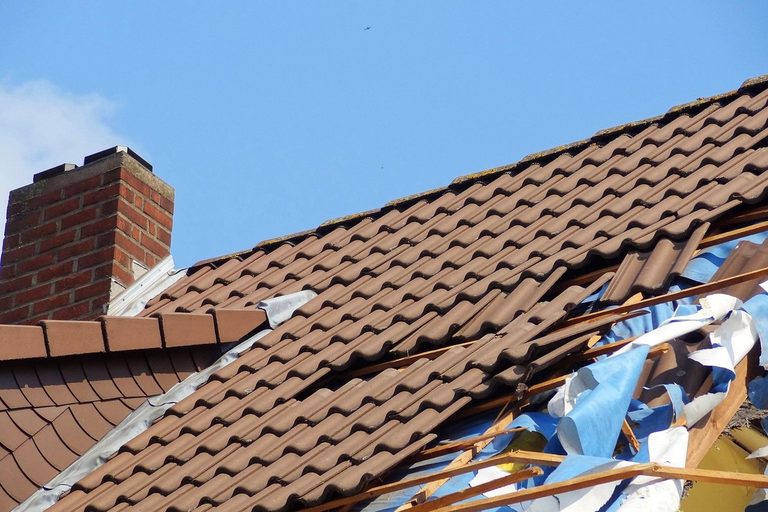
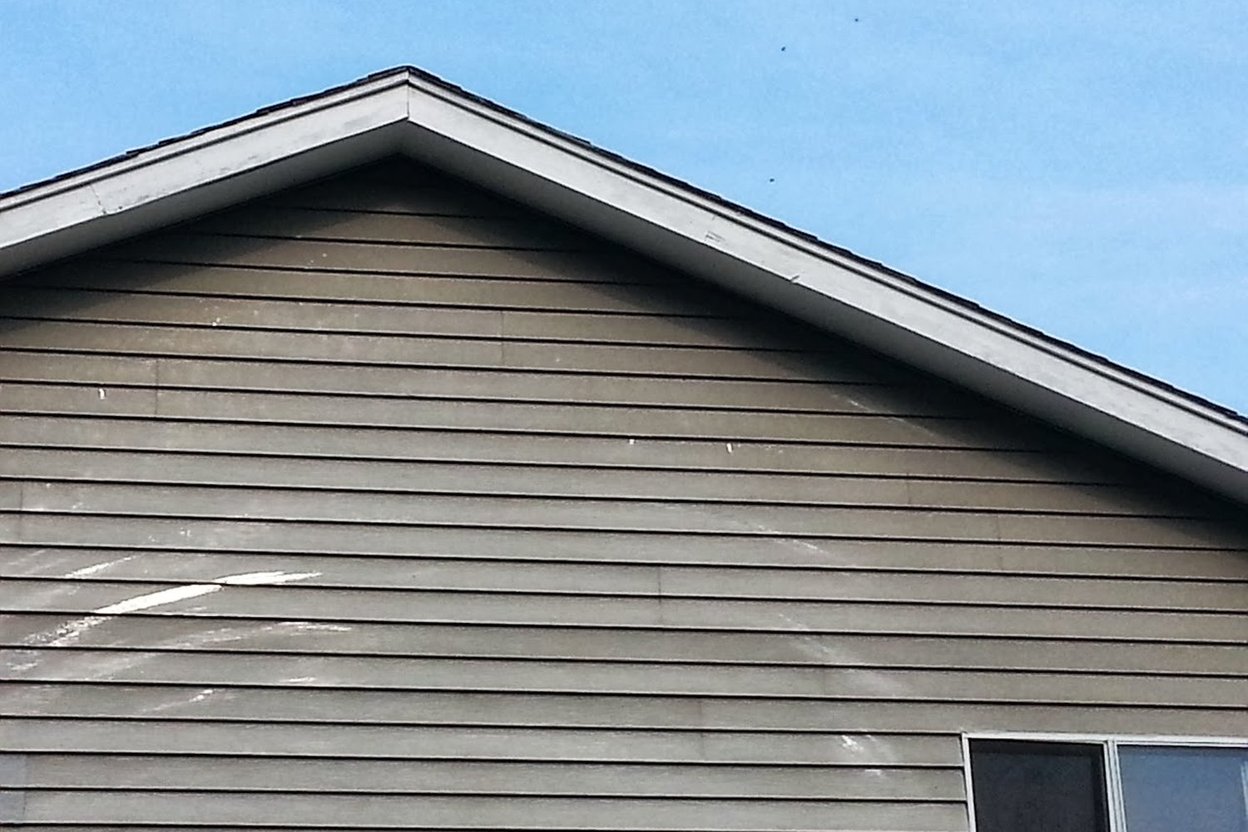
After a big windstorm my phone used to ring all week. Panels flapping on the gable, a piece of siding in the backyard, a whole course hanging loose. Wind damage is one of the most common siding repair calls, and a lot of it is quick work.
Why panels come loose
Vinyl panels lock into the panel below them and hang from nails at the top. They come loose when:
- They were nailed too tight. Vinyl has to move with temperature. Nailed tight, it buckles and pulls away from the lock.
- Nails missed the studs or were spaced too far apart.
- The lock is weak. Thin builder-grade siding has a weaker lock.
- High exposure: gables, the windward side, corners, and houses on open lots.
- Age and cold. Old vinyl gets brittle, and panels crack instead of flexing.
Relock or replace?
When you get there, look at what you've got:
Relock if:
- The panel is intact and just came unlocked.
- The nail hem isn't torn.
- It's not cracked.
Use a zip tool to grab the bottom lock of the panel above, pull it down, and snap the loose panel back in. Check the nails. If they're tight, loosen them or renail properly.
Replace if:
- The panel is cracked, torn at the nail hem, or gone.
- It's bent or creased.
- It blew off and you can't find it, or it's in the neighbor's tree.
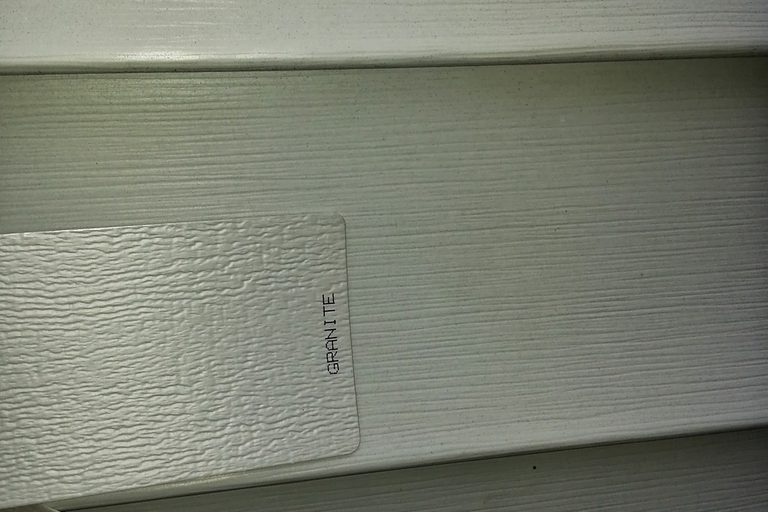
If the siding is discontinued, you'll need a match. See how to match discontinued vinyl siding.
Check the rest of the wall
When one panel blows off, others are often close. Walk the house:
- Look for panels that are loose but still hanging.
- Look at the gables and corners.
- Check soffit and trim.
Show the homeowner what you found and offer to fix the loose ones too. It saves them a second call next storm, and it's more work for you on the same trip.
Inside Siding Pro Academy, we go over how to price storm-week work so a busy week pays like it should.
Storm week as a one-man shop
After a big storm, you'll get more calls than you can handle. Some tips:
- Triage. Missing panels with exposed sheathing and wrap first, especially with rain coming. Cosmetic stuff can wait.
- Ask for photos when they call. You'll know what to bring.
- Batch jobs by area. One neighborhood at a time.
- Be honest about timing. Tell people when you can actually get there. They'll wait for someone they trust.
- Raise your minimum for emergency or same-day calls if you want. That's normal.
Some of these will turn into insurance claims if the damage is widespread. See hail damage vs. wear.
Price it
Most wind jobs are short, but they need a minimum that covers your drive, ladder setup and time. A quick relock is still a service call. Price by the job. With an average repair ticket around $350, a storm week can be one of your best weeks of the year if you price it right.
Leave it better
When you relock, fix whatever caused it if you can: renail tight panels properly, add a fastener where the nails missed the studs. You want to be the guy whose repairs hold through the next storm.
Photo: from a real Siding Pro Academy repair job.