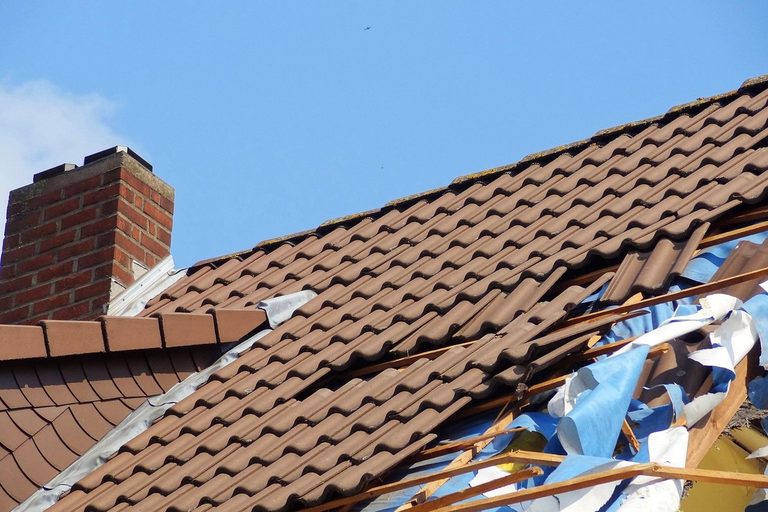
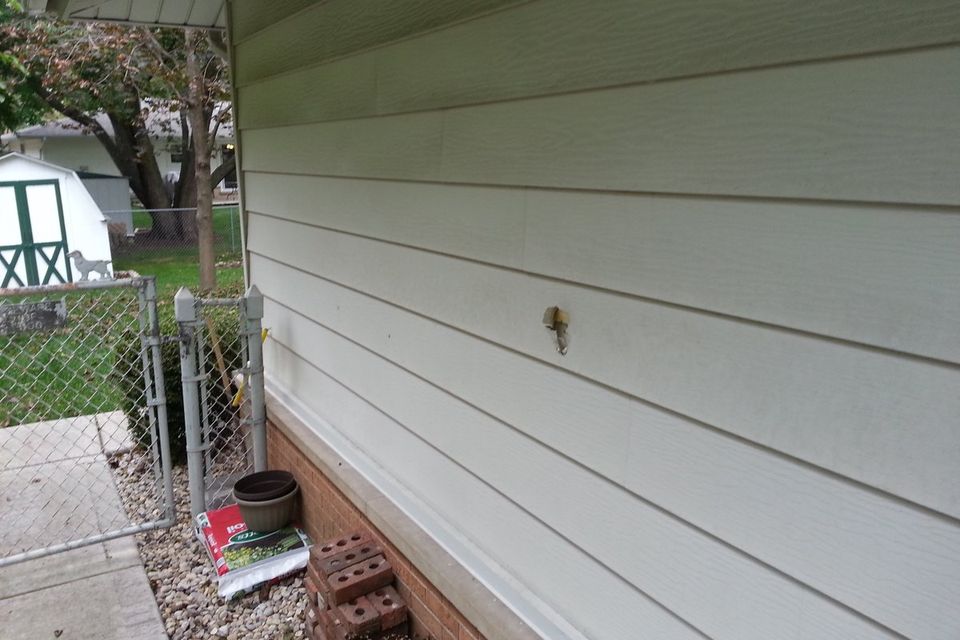
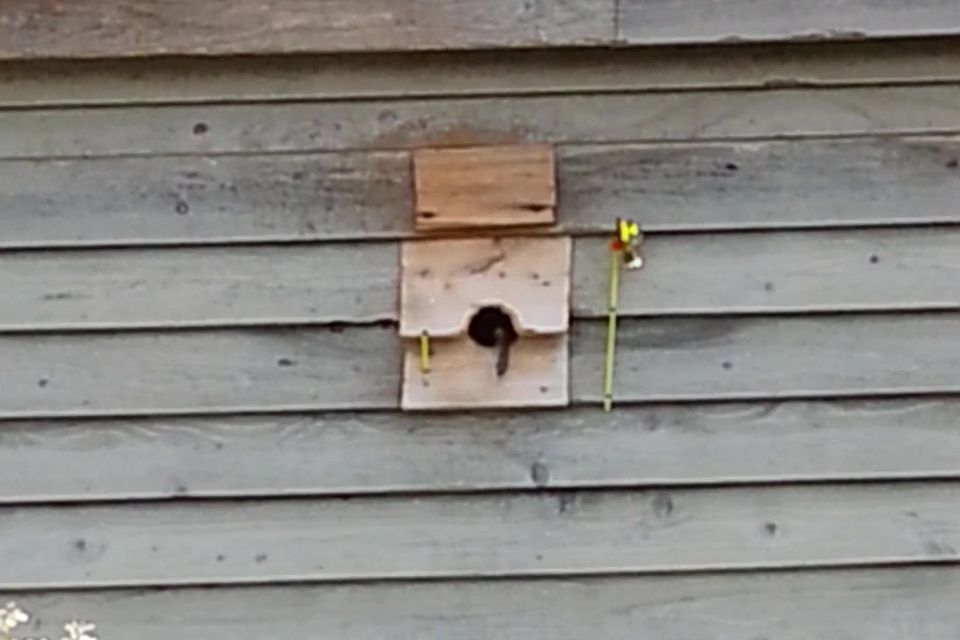
Most fall woodpecker calls are about roosting holes: round holes, often 2 inches or more across, drilled into wood trim, fascia or cedar accents so the bird has somewhere warm to sleep through winter. You fix them like any rot-adjacent trim job. Open it up, check the sheathing and insulation, replace the board (don't plug it), and quote for exclusion netting as a separate line. Charge at least your minimum for one hole. Holes in several spots, rotted wood behind them or netting push the ticket to your average or higher.
The rest of this post covers how to read the holes, what the fix looks like, and how to write the quote.
Why the calls come in the fall
Woodpeckers hit houses for four reasons: drumming to claim territory, digging for insects, digging nest cavities, and digging roost cavities. Colorado State Extension says drumming is mostly a spring thing and usually ends by July. Nesting runs from late April into May.
Fall belongs to roosting. Wildlife sources including InterNACHI and the University of Illinois Wildlife Illinois site say roost holes get drilled in late summer and fall, ahead of winter. The bird goes through the siding and sheathing and hollows out a pocket in the insulation. Homeowners notice it when the leaves come down and they're out cleaning gutters or putting up Halloween decorations.
Out West there's also food storage. The UC IPM program in California describes acorn woodpeckers drilling rows of holes in buildings, fence posts and poles and packing an acorn into each one, or wedging acorns under wood shakes. If you open a hole and acorns fall out, that's what you're dealing with.
Read the hole before you quote
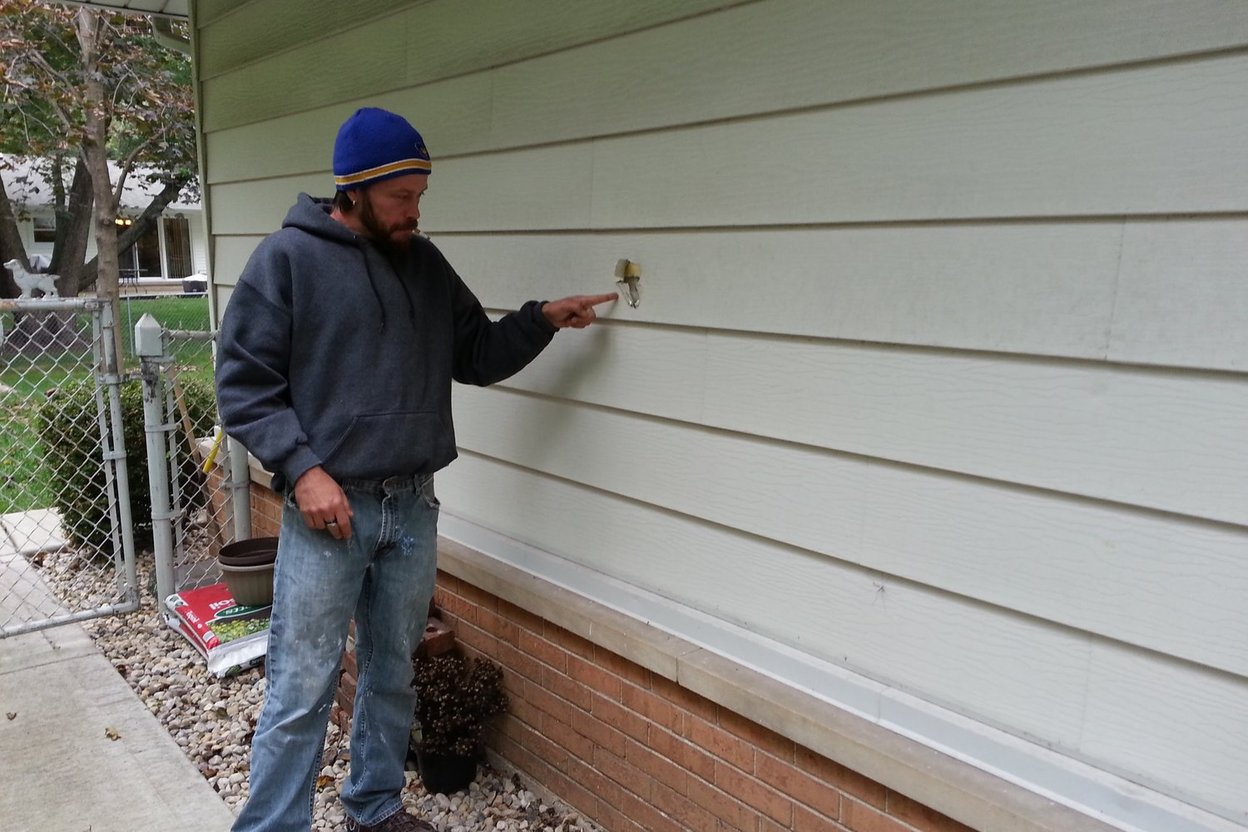
Each hole type points to a different job. Take pictures before you touch anything (see photo reports), because the pattern is part of your pitch.
- Rows of small, deep holes, straight across or straight down: feeding holes. The bird is going after insects in or behind the wood. You may have a bug problem, and the homeowner may need an exterminator as well as you.
- Clusters of shallow dents or cone-shaped dips on corners, fascia or trim: drumming. These are cosmetic but they get worse. Drumming also happens on gutters, chimney caps and roof vents because they're loud, and those usually need nothing from you.
- One or a few big round holes, roughly 1.5 to 2 inches or more: roost or nest cavities. This is the fall call and the one that pays. Water gets in behind these.
- Holes packed with acorns: a storage tree (Western states).
Vinyl usually isn't the target
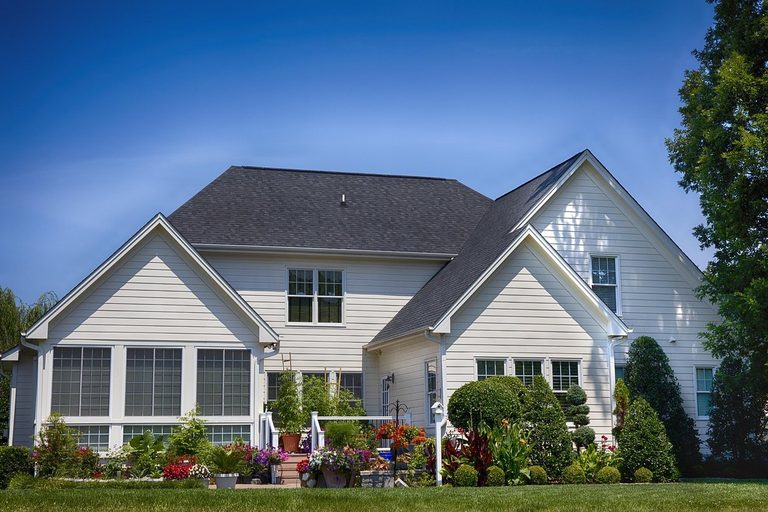
In vinyl country this is mostly a trim job. Several sources say homes with vinyl or aluminum siding don't often get woodpecker damage, but the wood fascia on those same homes does. The materials that get hit most are cedar, redwood, rough pine, grooved plywood (T1-11 style), shakes, tongue-and-groove and board-and-batten.
Color matters too. UC IPM cites research showing that houses with wood siding in earth-tone paint or stain get more damage than houses painted white or pastels. Research cited by InterNACHI found damage on 79% of stained wood against 29% of painted wood. So the customer with the brown-stained cedar gable over vinyl walls, backing up to a woodlot, is the one who calls you every October.
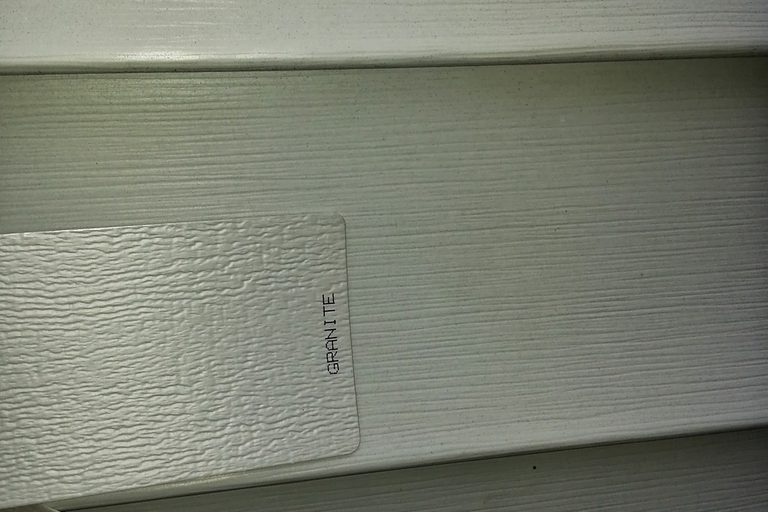
If the hole is in vinyl, treat it like any other punctured panel and replace the single panel. Matching, the stamp on the back, and faded colors all work the same as on any other vinyl job.
The fix
The extension sources are written for homeowners and say to cover holes with flashing or fill them with putty. That's fine for a weekend. You're the pro, so do the repair that lasts.
- Open it up. Pull the damaged board or panel. A roost hole usually goes through the sheathing, so expect wet or chewed insulation and maybe a nest.
- Make sure nothing is living in there. Roost holes get used at night, so do this in daylight. All woodpeckers are protected under the federal Migratory Bird Treaty Act. You need a U.S. Fish & Wildlife Service permit to kill or trap one, and an active nest can't be disturbed. A fall roost isn't a nest, but if a bird flies out, let it go and close the hole while it's gone. Starlings and squirrels move into old woodpecker holes too, so look before you seal it. Check your state's wildlife rules if anything is nesting.
- Check for rot. Probe the sheathing and the board edges. If it's soft, this is now a rot job and you price it that way (see the quote that includes rot).
- Replace, don't fill. New board or panel, patched sheathing, new insulation if it was pulled out. Prime all six sides of new wood. UC IPM's own advice is to close every visible hole so other birds don't read it as a sign of insects. A half-filled hole invites the next bird.
- Match the finish. Paint over earth-tone stain if the customer will go for it. That's the same color finding mentioned above, and it's a fair thing to suggest.
The customer will ask you to caulk it. The answer is the same as always: caulk is not a repair, and here the bird will just peck the caulk back out.
Sell the netting, or the bird comes back
A woodpecker that has picked a spot keeps coming back to it. UC IPM calls them persistent and says they aren't easily driven off. If you replace the board and leave, there's a good chance you'll get a call next fall about a new hole six inches from your patch. You can make that a callback you get paid for or one you do for free.
The exclusion fix the extension services agree on:
- Lightweight 3/4-inch plastic bird netting, hung at least 3 inches off the wall, pulled tight, run from under the eave down past the damaged area and fastened at the bottom. Slack netting tangles birds and flaps in the wind.
- Hardware cloth (1/4-inch) or light sheet metal fastened right over a damaged area that you can't replace yet.
- Shiny scare devices like Mylar strips, pinwheels and hanging CDs have had some success. Plastic owls, hawks and rubber snakes don't work, according to UC IPM and InterNACHI. Don't sell them.
Material cost is small. A 14 x 100 ft roll of 3/4-inch netting runs about $50–$62 at Home Depot, Walmart and Tractor Supply (as of October 2026), and one roll covers several gables. Most of the price is labor, ladder time and standoff hardware.
How to price it
Use the same structure you use for everything else and list each piece on its own line so the customer can see what they're buying.
- One small hole, sound wood behind it: this is your minimum charge job. Don't discount it because the hole is small. The drive, the ladder setup and the matching cost the same.
- Two or three roost holes, or one hole plus fascia work: this is your average ticket, around $350, and more if it means a second ladder setup or a second story.
- Rot behind the hole: write a quote that includes it, or one that says plainly what happens if you find it. Don't eat the sheathing.
- Netting or exclusion: a separate line, priced by the gable or by the run. It's optional, but make it the obvious choice: "Without this, there's a good chance you'll be calling me again next October."
- Insect evidence (feeding rows): note it in the photo report and tell them to call an exterminator. Don't take on pest work.
This is also a good job for the neighbors. If one house on a wooded lot has a roost hole, the cedar-trimmed houses next door probably have woodpeckers checking them out. Bring the photos and knock a few doors while you're there.
The Siding Pro Academy room on Skool has price sheets, quote templates and contractors posting real jobs like this one. Take a look inside.
Ask these on the phone call
Add these to your phone-call questions for fall:
- Is the hole round and bigger than a quarter, or a row of small holes?
- Is it in wood (trim, fascia, cedar) or in the vinyl?
- Have you seen a bird going in or out at dusk?
- Is there more than one spot, or more than one side of the house?
- Can you text me a photo with something in the frame for scale?
One big round hole in October means a roost cavity with possible water damage. Book it before the first hard freeze, quote the netting, and bring a probe for rot.
If you want the price sheet and quote templates other repair guys are using, they're in Siding Pro Academy.